What are some tips for freelancing with a full-time job?












11 experts on the record: Max Juhasz, Nicholas Robb, Alli Hill and 8 more.

The answers · 11
- 01Pick Your Clients Wisely and Charge Accordingly
- 02Learn to Systemize Your Freelance Business
- 03Offer Low-lift High-value Services
- 04Don’t Quit Your Day Job
- 05Stick to a Schedule
- 06Know What Your Goal is for Freelancing
- 07Inform Your Workplace
- 08Know Your Boundaries
- 09Create and Stick With a Daily Schedule
- 10Stay Ahead of Your Work
- 11Set Expectations for Both Your Day Job and Your Client
What the experts said
11 experts on the record
- Pick Your Clients Wisely and Charge AccordinglyMax Juhasz
- Learn to Systemize Your Freelance BusinessNicholas Robb
- Offer Low-lift High-value ServicesAlli Hill
- Don’t Quit Your Day JobDebbie Elicksen
- Stick to a ScheduleYongming Song
- Know What Your Goal is for FreelancingJames Dasilva
- Inform Your WorkplaceAgata Szczepanek
- Know Your BoundariesSeth Larson
- Create and Stick With a Daily ScheduleJamie Irwin
- Stay Ahead of Your WorkCarrie Shaltz Haslup
- Set Expectations for Both Your Day Job and Your ClientTrevor Sookraj
From picking your clients wisely to setting expectations for both roles, here are 11 answers to the question, What is one tip for freelancing while working full-time?
Pick Your Clients Wisely and Charge Accordingly
As someone who started their journey as a freelancer, I seriously recommend vetting your potential clients properly to make sure that they are a good fit for where you want to go and your skill set. There are tons of businesses that will gladly pay top dollar for a professional with experience versus someone who just does task work. Being able to evaluate a potential client’s business and their goals can often lead to a new long-term client and not just a one-off gig.
Learn to Systemize Your Freelance Business
Building a successful freelance business while working a full-time job is totally possible. I know, because I’ve done it. To succeed in a freelancing career while juggling it with your full-time job, you need to learn to systemize your freelance business. There are some great tried and tested systems that allow you to freelance and work your 9-5.
As well as solid systems, you should also consider taking payments upfront and using automation software wherever possible, to reduce the amount of time you spend in your business so you can spend more time working on your freelance business.
Offer Low-lift High-value Services
Freelancing as a side hustle doesn’t have to be time-intensive. Ideally, you will offer low-lift tasks that don’t take much time or effort on your part but also provide high value to your clients. One way to do this is to offer white-label services.
In essence, you act as a middle person between the client and the service provider. You pay the provider, the provider does the work, you deliver to the client, and you collect a fee. To do this successfully, you need to know what quality work looks like and be ready to find errors and make adjustments or improvements as needed.
In other words, choose services in which you’re an expert and can make sure you’re delivering on your clients’ expectations. It’s not 100% passive, even though you have a white-label provider doing most of the heavy lifting. But it can be quite lucrative if you find a reputable provider or agency.
Don’t Quit Your Day Job
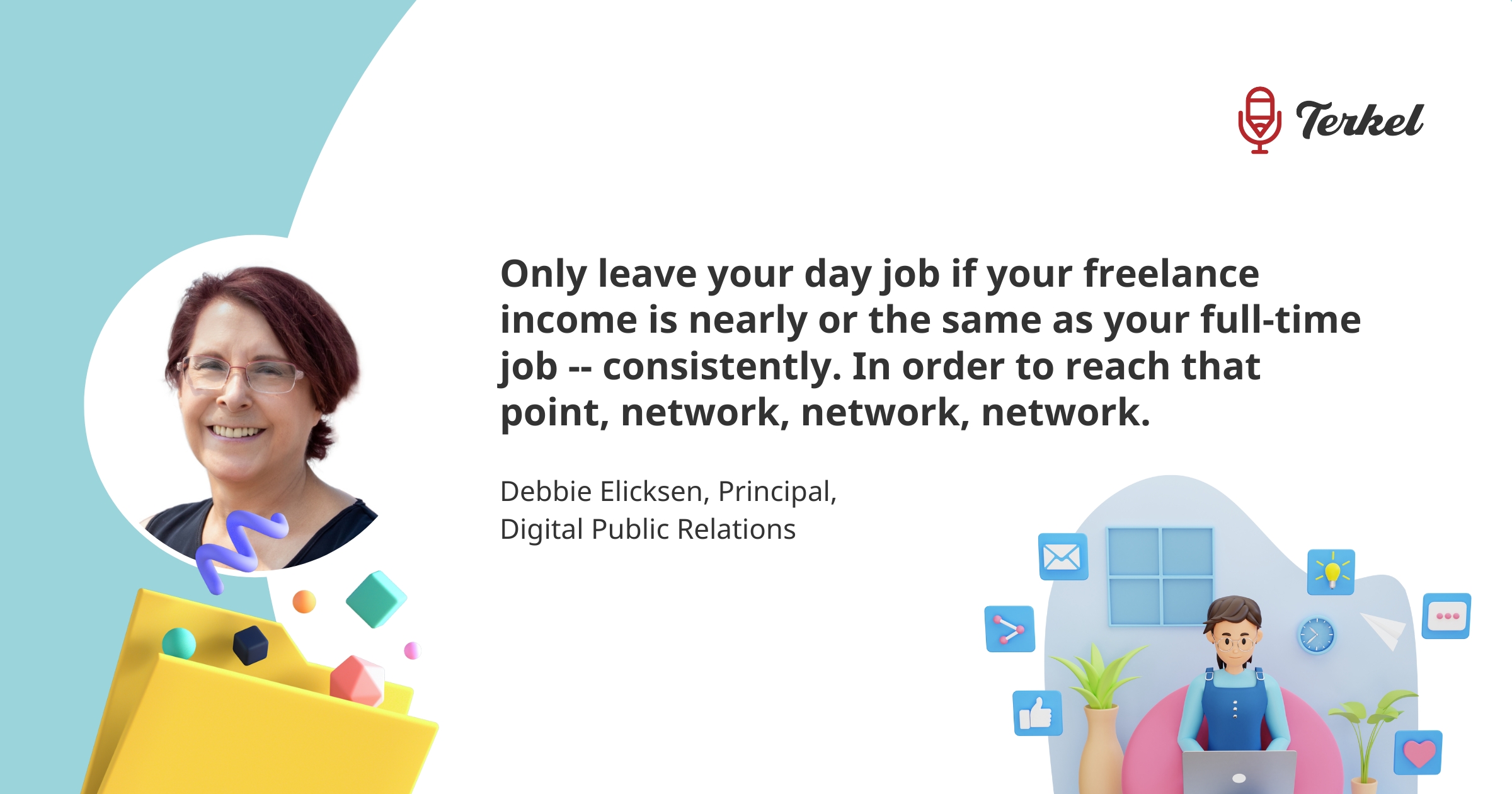
Only leave your day job if your freelance income is nearly or the same as your full-time job — consistently. In order to reach that point, network, network, network. For example, writers should not join writers’ groups; rather, join and attend business groups and the places where you meet the people who hire writers.
Take off extra taxes from your full-time job, or pension (if you’re retired), so you don’t get walloped with a tax bill at the end of the year. Network online. Connect with people you can learn from. If you’re not using social media for networking or using it right, Google tips, follow the people who are and do what they do. It’s not rocket science, but it’s tedious and not a quick fix. Be in it for the long game.
Stick to a Schedule
Most of our lives are spent working; hence, any free time needs to be utilized effectively, especially if you are juggling a full-time job and freelancing. Having a schedule is an ideal way to tackle this act of balancing.
As a full-time worker, you should always schedule time in your calendar for freelance work and ensure that you stick to the schedule religiously. A working schedule may include setting aside an hour or two for freelance work after work. This will ensure that you not only finish freelancing projects but give you time to work on ways of expanding your freelance venture.
With scheduling comes the painful task of turning away clients due to too much work. Planning and sticking to your schedule will preserve your sanity by preventing burnout.
Know What Your Goal is for Freelancing
Working a full-time job can already be tiring, so you want to be clear about why you’re freelancing in order to maximize your time and attention and deliver good work. Is it primarily to have extra cash? To develop and practice new skills? To test the waters for going solo or changing industries? All of those are good reasons; just make sure you know which matters most so you can seek out the clients and tasks that meet your needs and interests.
Inform Your Workplace
If you freelance on the side, inform your workplace. It’s good to be transparent about your freelancing, as honesty builds trust. It’s a small world, and the company in which you work full-time will eventually find out anyway. You should be the one who lets them know first. Openness with your employer about freelance gigs prevents you from stress, worry, and feeling guilty. Word spreads quickly and cheats never prosper. Honesty is the answer.
Know Your Boundaries
Never be scared to say “no” to a job if you can’t accommodate it in your schedule. The temptation to accept every project is one that full-time freelancers are all too familiar with since they worry that clients won’t hire them if they aren’t always available. However, if you also have a job to complete, you must resist the urge to labor all night in order to survive and maintain your sanity. Additionally, if you take on too much, you risk doing subpar work, which will harm the reputation you have worked so hard to establish.
Create and Stick With a Daily Schedule
My number-one tip for anyone trying to juggle both their 9-5 job and freelance work is to create a daily schedule and stick with it! Setting aside specific blocks of time each day dedicated solely to your freelance projects can help you stay on track and ensure that you’re getting all your work done. This approach has worked wonders for me in terms of productivity. By knowing exactly when I’ll be working on my side hustles, it helps me stay focused throughout the day so I don’t get distracted by other tasks or obligations. It also allows me to plan out what needs to be done, so there are no surprises or last-minute scrambles when deadlines approach.
Stay Ahead of Your Work
Don’t let procrastination get the better of you. When you’re balancing a full-time workload with part-time work, you have to be disciplined about getting everything done on time. Freelancing deadlines can sneak up on you and hit you when you’re already playing catch-up at your full-time role. Creating schedules for yourself and enforcing the discipline to do a certain amount of work each day can help you avoid this issue.
Set Expectations for Both Your Day Job and Your Client
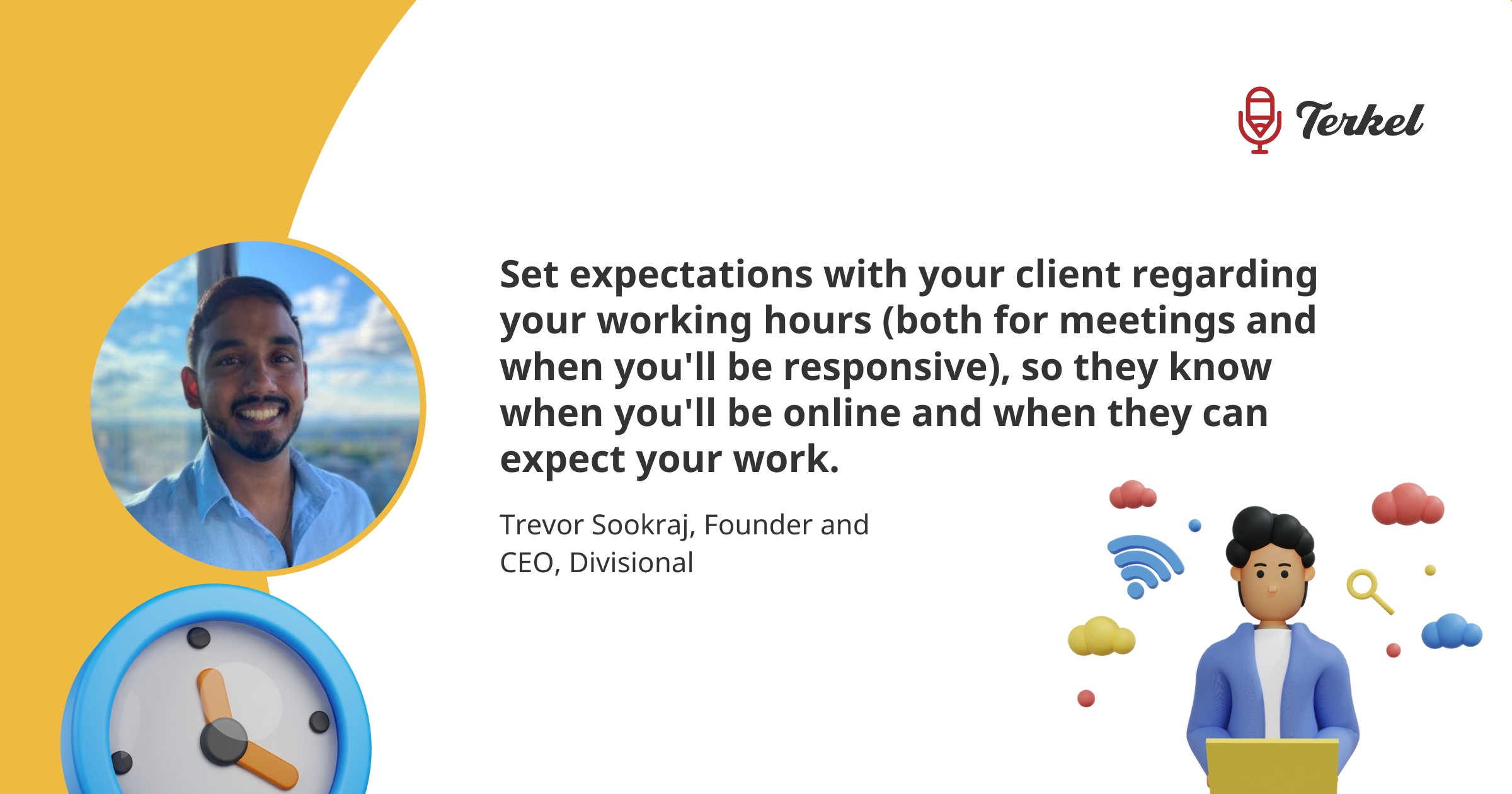
Companies often expect output from their freelancers that rivals their full-time employees, which isn’t possible with limited hours – especially if you have a full-time job. Set expectations with your client regarding your working hours (both for meetings and when you’ll be responsive), so they know when you’ll be online and when they can expect your work. This goes double for your full-time job — ensure your team knows when they can expect a response and if there are “blocked” times where you can’t meet. If possible, advocate for a “no meeting day,” that allows you to do heads-down work with your full-time job, while potentially having live meetings with your freelance clients.
Connecting Experts with Publishers
Connectively connects subject-matter experts with top publishers to increase their exposure and create quality, ready-to-publish Q & A content.
About Connectively →Write for us
Have something to say about this beat?
Submit an article or do an interview for Connectively.
Write for us →