

How to Win a Product Liability Injury Case: Evidence steps that can win Florida cases
Authored by: Jason Turchin Esq.
Product liability cases often succeed or fail based on the quality of the evidence gathered in the days and weeks after an injury. Whether the injury involves a defective household appliance, automotive component, battery-powered device, pressure cooker, or another consumer product, preserving the right evidence early can make a significant difference in proving liability.
While every case is unique, there are several steps that can help strengthen a product liability claim in Florida.
1. Preserve the Product
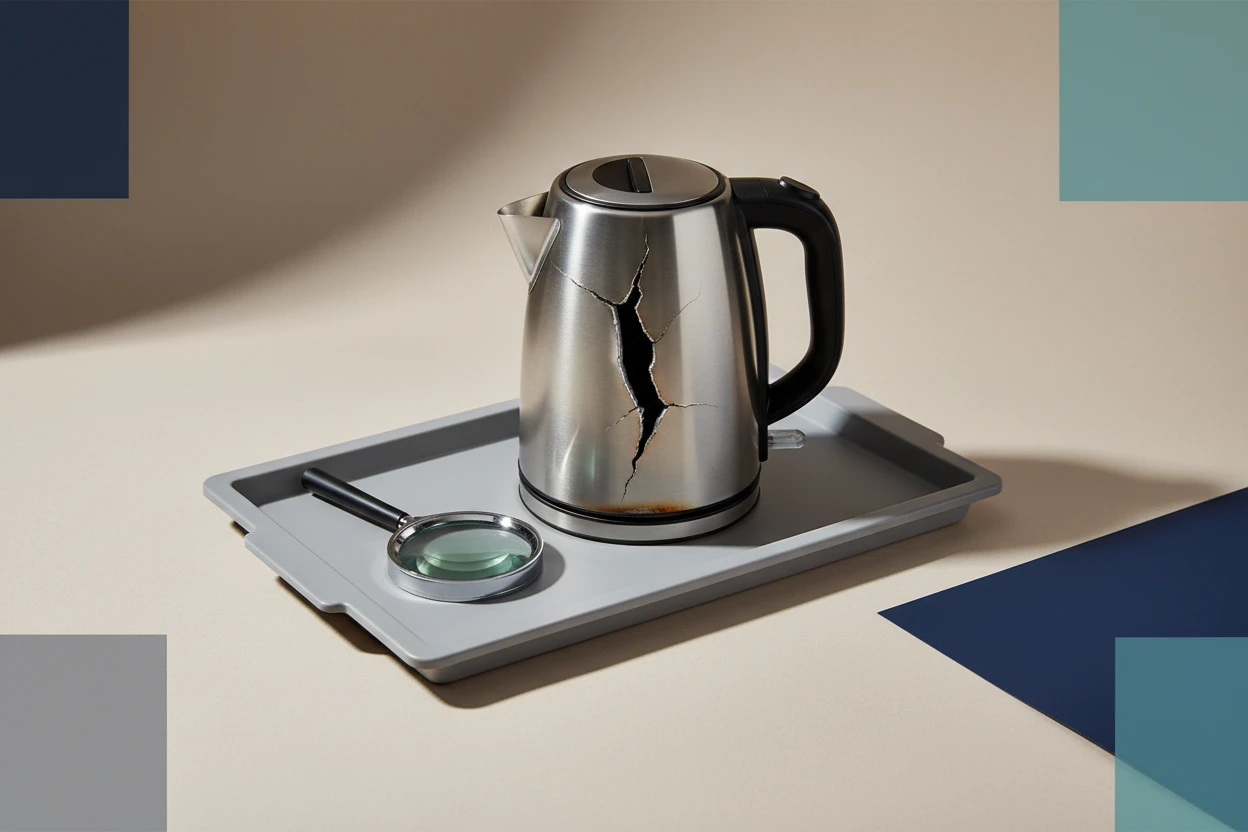
One of the biggest mistakes I see is when an injured consumer throws away or repairs the product after an accident. Whenever possible, preserve the product in the same condition it was in immediately after the incident. Avoid attempting repairs, modifications, or disassembly. For example, if you were burned by hot coffee caused by a defective lid or cup, try to keep the lid and cup preserved.
The product itself often becomes the most important piece of evidence. It may later be examined by engineers, accident reconstruction experts, or other specialists to determine whether there was a design defect, manufacturing defect, or inadequate warning. While the product is not always necessary, it can often be extremely helpful.
2. Photograph Everything
Take photographs as soon as it is safe to do so. Important images may include:
- The product from multiple angles
- The accident scene
- Visible injuries
- Packaging, instruction manuals, and warning labels
- Serial numbers or model numbers
- Any damaged surrounding property
Photographs taken immediately after an incident often provide details that cannot be recreated months later.
3. Document Medical Treatment
Prompt medical treatment can protect both your health and your legal claim. Medical records create an objective timeline linking the injury to the incident and documenting the nature and extent of your damages.
Continue following your healthcare provider’s recommendations and keep records of medical appointments, prescriptions, therapy, and out-of-pocket expenses. Your Florida personal injury lawsuit could be stronger with well-documented medical care.
4. Preserve Digital Evidence
Many modern products contain electronic components, software, or connected features. Security cameras, smart home devices, vehicle data, mobile phones, and wearable technology may all capture valuable evidence.
In some cases, digital information can disappear quickly if it is overwritten or not preserved. Identifying these sources early can be important.
5. Identify Witnesses
Witnesses can provide independent observations about how the incident occurred, what they observed before and after the event, and the condition of the product.
Whenever possible, obtain names and contact information while memories are still fresh.
6. Research Whether Similar Incidents Have Occurred
A single product failure may not be an isolated event. Publicly available recalls, consumer complaints, government investigations, prior lawsuits, and incident reports may help establish that a manufacturer knew or should have known about a dangerous condition.
In my practice, I often look beyond the individual accident to determine whether similar injuries have been reported involving the same or similar products. That broader investigation can sometimes uncover patterns that are highly relevant to a product liability claim.
7. Avoid Posting About the Incident on Social Media
Insurance companies and manufacturers may review publicly available social media posts. Comments, photographs, or videos taken out of context can complicate an otherwise strong claim.
It’s generally better to discuss the facts of the case with your attorney and healthcare providers rather than online.
Experience In Product Liability Law Often Matters
Over the years, I’ve represented clients injured by a wide range of allegedly defective products, including household appliances, automotive components, pressure cookers, battery-powered devices, and other consumer products. Early evidence preservation has repeatedly proven to be one of the most important factors in evaluating and developing these cases.
I also filed one of the early lawsuits involving defective Takata airbags before the nationwide recall ultimately expanded to more than 80 million vehicles. That experience reinforced how product liability cases often require looking beyond a single incident to understand broader engineering, manufacturing, and safety issues.
Final Thoughts on How to Win a Product Liability Lawsuit
Winning a product liability case isn’t usually about simply showing that someone was injured. It often requires demonstrating how the product failed, why it failed, or whether the manufacturer or another responsible party could have reduced or prevented the risk.
The strongest cases are frequently built long before a lawsuit is filed. By preserving the product, documenting injuries, gathering photographs and witness information, identifying digital evidence, and investigating similar incidents, injured consumers can help preserve critical evidence that may later support their claim.
Author Bio: Jason Turchin Esq.
For more information about Florida product liability claims, visit https://www.jasonturchin.com/practice-areas/product-liability-attorneys/. Additional consumer safety and injury resources are available at https://www.victimaid.com/.