

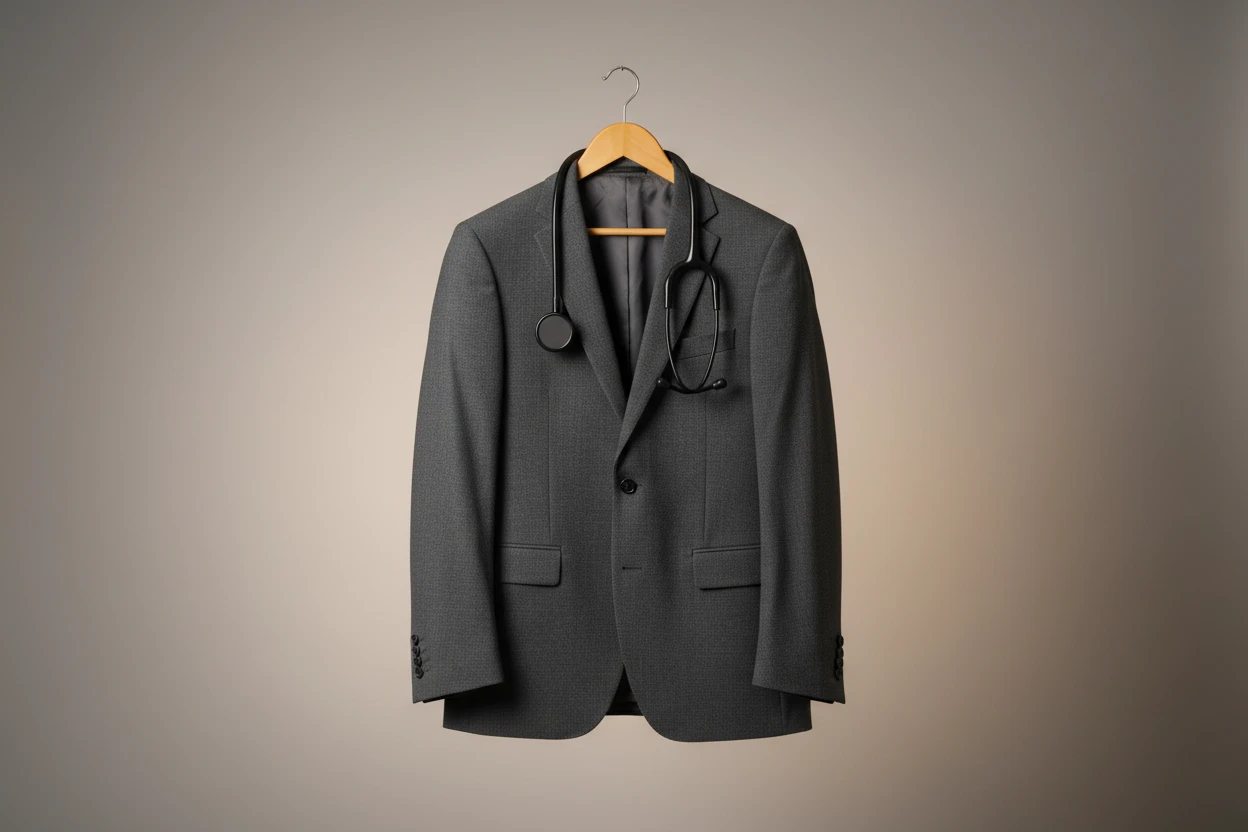
Dressing for Success: A Residency Interview Attire Guide for Medical Students
Authored by: Heather Wall
The residency interview represents a pivotal milestone in every physician’s journey. After years of rigorous academic preparation, clinical rotations, examinations, and application submissions, candidates finally have the opportunity to demonstrate who they are beyond their CV.
While your academic achievements, clinical experiences, and interpersonal skills ultimately determine your success, your professional appearance plays a significant role in shaping first impressions. Residency program directors and faculty interviewers often form initial perceptions within the first few moments of an interaction. A polished, professional appearance signals maturity, attention to detail, sound judgment, and respect for the profession, qualities every residency program seeks in future physicians.
The objective is not to make a fashion statement. Rather, it is to present yourself in a manner that allows your qualifications, character, and potential to take center stage.
The Professional Standard: Choosing the Right Suit
A well-fitted suit remains the gold standard for residency interviews across all specialties.
Candidates should select a dark-colored suit in navy blue, charcoal gray, or black. These colors convey professionalism and are universally accepted in healthcare and academic medicine settings. While subtle pinstripes may be appropriate, bold patterns and trendy designs should be avoided.
Fit is equally important. Even an expensive suit can appear unprofessional if it is poorly tailored. A single-breasted, properly fitted suit creates a clean, polished silhouette and reflects attention to detail.
Both skirt suits and pant suits are appropriate professional choices. For those opting for a skirt suit, the hemline should fall at or near the knee, maintaining a conservative and professional appearance.
Scrubs and Medical Student Attire: When Are They Appropriate?
Medical students spend much of their clinical training wearing scrubs and short white coats, making it natural to wonder whether these are appropriate for residency interviews. In most situations, they are not.
For formal residency interviews, business professional attire remains the standard expectation regardless of specialty. Even in surgical, emergency medicine, anesthesia, and other procedural fields where scrubs are commonly worn in daily practice, candidates should arrive in professional interview attire unless the program specifically instructs otherwise.
Occasionally, residency programs may include simulation sessions, procedural demonstrations, hospital tours, or other activities where scrubs are required. In these cases, scrubs should be clean, wrinkle-free, properly fitted, and in excellent condition. Avoid heavily personalized scrubs, excessive embroidery, or worn-out garments that may detract from a professional appearance.
Similarly, short white coats that are commonly worn by medical students should generally not be worn during residency interviews unless specifically requested. The goal is to present yourself as a future resident physician rather than as a current student. If a white coat is required for a particular activity, ensure it is clean, pressed, and free of unnecessary items in the pockets.
When in doubt, follow the program’s instructions. If no guidance is provided, professional business attire remains the safest and most appropriate choice.
Shirts and Blouses: Keep It Clean and Conservative
Your shirt or blouse should complement, not compete with, your overall appearance.
Traditional white dress shirts remain the most professional option. Light blue and other soft pastel shades are also acceptable and can add subtle personality while maintaining professionalism.
Avoid shirts with decorative patterns, excessive detailing, or casual styling elements such as button-down collars. The goal is to create a clean, polished look that aligns with the expectations of professional medical environments.
Footwear Matters More Than You Think
Interview days often involve hospital tours, walking between buildings, and standing for extended periods. Consequently, comfort and professionalism should guide footwear choices.
Traditional Oxford dress shoes remain the most conservative option for men, while loafers are also acceptable. For women, closed-toe pumps with modest heels are generally preferred.
Color coordination is important. Black shoes pair well with black, charcoal, and most gray suits, while navy suits may be paired with either black or dark brown shoes.
Regardless of style, shoes should be polished, clean, and comfortable. New shoes should be broken in before interview day to prevent discomfort and avoid distractions during the interview process.
Ties and Accessories: Subtle Sophistication
When selecting a tie, think understated professionalism rather than personal expression.
Conservative colors such as blue, green, burgundy, or muted purple work well. Subtle patterns are appropriate, while novelty designs, school-logo ties, and attention-grabbing prints should be avoided.
Accessories should be equally restrained. A simple tie clip, tasteful cuff links, or a classic dress watch can enhance a professional appearance without drawing attention away from the candidate.
The guiding principle is simple: if an accessory becomes a topic of conversation before your qualifications do, it may be too distracting.
Socks, Hosiery, and the Importance of Details
Attention to small details often reflects overall professionalism.
Dress socks should coordinate with the color of the suit and trousers. While subtle patterns are generally acceptable, novelty socks and bright colors should be avoided. White athletic socks have no place in a residency interview setting.
Candidates wearing skirt suits should wear hosiery to maintain a polished and professional appearance.
Although these details may seem minor, they contribute to an overall impression of preparedness and attention to detail.
Grooming: Presenting Your Best Professional Self
Residency interview grooming standards are straightforward: clean, neat, and professional.
Hair should be well-maintained and styled away from the face. Simple styles such as low ponytails, buns, or neatly groomed short hairstyles are entirely appropriate.
Facial hair is acceptable provided it is trimmed, intentional, and well-maintained. An unkempt beard or uneven stubble can inadvertently create an impression of poor preparation.
Nails should be clean and neatly trimmed. For those who wear nail polish, neutral tones, soft pinks, or French manicures are considered the most professional choices.
Makeup and Fragrance: Less Is More
Professional makeup should enhance natural features rather than attract attention.
Neutral palettes and subtle application techniques are generally most appropriate. Dramatic eyeliner, smoky eye makeup, glitter, and bold statement lip colors can be distracting in professional interview settings.
Similarly, fragrance should be used sparingly, if at all. Hospitals and healthcare facilities often maintain fragrance-sensitive environments, and strong perfumes or colognes may be distracting or uncomfortable for others.
Professional Bags and Personal Items
A structured portfolio, professional satchel, or conservative handbag provides a practical way to carry documents and essentials.
Neutral colors such as black, navy, gray, or brown offer the most professional appearance.
Candidates should also consider minimizing visible technology. While smartphones are essential, wearable devices such as fitness trackers and smartwatches can sometimes appear overly casual during formal interviews.
Preparing the Night Before
One of the most common sources of interview-day stress is last-minute preparation.
The evening before your interview, ensure that:
- Your suit is pressed and wrinkle-free.
- Shoes are polished.
- Accessories are organized.
- Necessary documents are packed.
- Breath mints are available.
- Your complete outfit is assembled and ready to wear.
This preparation allows you to focus your energy where it belongs, on engaging with faculty, residents, and program leadership.
What to Wear to the Pre-Interview Dinner
Many residency programs host informal social events the evening before interview day. These gatherings provide candidates with an opportunity to interact with current residents in a more relaxed setting.
Unless otherwise specified, business casual attire is typically the safest choice.
Appropriate options may include:
- Dress slacks or chinos
- Button-down shirts
- Blazers or sport coats
- Conservative dresses or skirts
The venue should also influence attire decisions. A casual restaurant may allow for slightly more relaxed clothing, while a formal dinner hosted by the program warrants a more polished appearance.
As a general rule, it is preferable to be slightly overdressed rather than underdressed.
Author Bio: Heather Wall, AVP, Paid Media Marketing, Uniform Advantage