


25 Strategies for Building and Maintaining Talent Pipelines for Hard-to-Fill Positions
Filling specialized roles demands more than posting job ads and waiting for resumes to arrive. This article compiles 25 actionable strategies drawn from experts who have successfully built pipelines for positions that traditional recruiting methods struggle to address. These approaches range from maintaining skills inventories and nurturing freelancer networks to engaging military talent and converting customers into employees.
- Invest In Trust Through Steady Follow Up
- Offer Ownership And Show Shop Credibility
- Sustain A Warm Freelancer Network
- Engage Military Transitions Early And Often
- Clarify Must Haves Reengage Near Misses
- Recruit For Soft Aptitudes Develop Apprentices
- Convert Parallel Technologists Treat Interviews As Intel
- Create Seasonal Internships And Invite Alumni
- Document Workplace Norms And Map Mobility
- Cultivate Niche Forums And Promote Internally
- Use Biomarker Fit Then Nurture Relationships
- Earn Reputation And Verify Fit Quickly
- Qualify Technicians With Certified Modular Courses
- Partner With Regional Communities Share Practical Guides
- Revive Qualified Past Applicants With Insight
- Prune And Refresh Your Prospect Pool
- Score Sales Traits Keep A Select Bench
- Tighten Criteria And Audit Weekly Signals
- Maintain A Live Skills Inventory
- Run An Always On Proven Funnel
- Hire Superusers From The Customer Base
- Match Roles To Programs Strengthen Operations
- Tap Adjacent Sectors And Monitor Consistently
- Immerse In The Industry Scene Stay Visible
- Forge Vocational Ties For Scarce Trades
Invest In Trust Through Steady Follow Up
I’ve learned that the best talent pipeline for hard-to-fill positions is built long before there’s an open requisition. Waiting until a client needs a specialized nurse, healthcare leader, or hard-to-find professional is already too late. My team spends as much time building relationships with strong candidates who aren’t actively looking as we do filling current roles. Those conversations create trust, and trust is what turns into placements months later.
One practice I never let slip is consistent follow-up with people who aren’t ready to make a move. I don’t believe in checking in only when I have a job to fill. We stay in touch with market updates, career conversations, and honest advice, even when there’s no immediate opportunity. I’ve seen candidates I first spoke with a year earlier become the perfect fit because we maintained that relationship instead of treating them like a transaction.
One lesson I’ve carried throughout my career is, “A talent pipeline isn’t a database, it’s a collection of relationships.” The names in your system only have value if people know you, trust you, and are willing to answer your call when the timing is right.
I’ve found that regular, genuine communication is the maintenance strategy that keeps a pipeline healthy. Candidates remember who invested in their career without expecting something in return, and those relationships consistently produce stronger hires than any last-minute sourcing effort ever will.

Offer Ownership And Show Shop Credibility
The hardest role for us to fill has been formulation and QA talent with real GMP experience. Most candidates in our category get hired into contract manufacturers where they’re a cost center building someone else’s product. We pitch the opposite: come work where the formula you build stays in-house under our label, gets iterated on customer feedback you can actually read, and you own the full arc—spec, stability, deviation review, and the support tickets that come back six months later. Growing up in my family’s FDA-registered facility before co-founding Happy V means I can speak the floor’s language in an interview, and that legitimacy closes candidates faster than a recruiter fee.
For maintenance, we run a standing quarterly review with our scientific advisory board where we ask each OB/GYN and microbiome researcher who they’d hire if they were us. That keeps a warm bench without a job posting, and it forces me to keep advancement paths clear enough to describe in one sentence.

Sustain A Warm Freelancer Network
A few years ago I couldn’t fill one senior designer role for almost five months. It nearly cost us a big client. A really good one. That kind of pain changes how you hire. Now I treat the pipeline like a garden, something I tend whether or not I’m hiring. Every freelancer who does good work for us goes on a simple list, with a note on what they’re great at. And I check in with a few of them every quarter, even when there’s nothing open. When a hard role does come up, I’m almost never starting cold. I’m just calling three people who already know how we work. The trick is the boring bit, reaching out when you don’t need anything. A fifteen-minute call every quarter with the people you’d hire tomorrow.

Engage Military Transitions Early And Often
Privin’s recruitment strategy has relied heavily on recruiting directly from military transition programs. I didn’t think this was going to be the biggest lever early on, but it was. Most investigators who have a real law enforcement or military background don’t appear on public job boards because they are either still in service or making the transition to civilian jobs quietly.
That’s why I show up early, a year or more before anyone is actually leaving the military. Having a relationship before there is an opening means that when I need to hire, I’m not starting from scratch. I know who’s good, who’s reliable and who’s the kind of people we work with.
And I keep in touch with candidates even if I don’t have a job for them, just to see how they are doing every few months. This trips up nearly all people the first time because most people only contact when they have a position to fill. By then, the top candidates had already accepted another offer months ago.

Clarify Must Haves Reengage Near Misses
I keep telling our people team that filling hard roles is a sourcing problem. Lately I think I’ve had that backwards. Our hardest one was a senior ops role that sat open for weeks because the job description read like a wishlist nobody could match. We were screening out the people who could do the work.
So now we force a must-have versus nice-to-have split before anything gets posted. If the must-have list runs past 4 items, it goes back. That one change opened the pool wider than any sourcing channel. Half of these hard-to-fill roles are just badly scoped internal disagreements wearing a job title.
To keep the pipeline warm, we hold onto near-miss finalists. Every couple of months someone messages them, not about an opening, just something small. Whether that keeps them around when we call, I can’t tell you yet. You lose most of them anyway.

Recruit For Soft Aptitudes Develop Apprentices
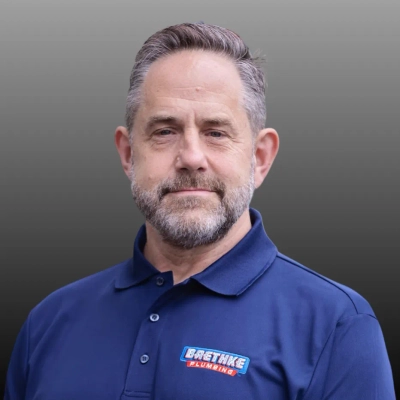
Having run Baethke Plumbing in Chicago for over 30 years, I’ve spent decades navigating skilled labor shortages. Serving on the Joint Apprenticeship Committee and regional plumbing boards has been essential to keeping our talent pipeline full.
We build our pipeline by looking outside the industry for individuals with exceptional soft skills, then training them on the technical side. For example, we hired Mike, who had over 20 years of customer service experience but zero plumbing background, and successfully integrated him into our operations.
Our primary pipeline maintenance strategy is active involvement in the Joint Apprenticeship Committee, which allows us to engage and recruit top-tier apprentices early. We then sustain this talent internally by requiring 52 hours of ongoing training annually for every employee to keep their skills sharp.
Convert Parallel Technologists Treat Interviews As Intel
The most successful talent pipeline I have built came from widening the aperture without lowering the bar. Some of the best security hires started as developers, QA leads, or cloud engineers who already understood how software gets shipped under pressure. I focused the process on curiosity, disciplined thinking, and the ability to translate flaws into practical fixes. That matters because modern application security is not only about finding issues, it is about helping teams respond without creating delivery drag.
One maintenance strategy that consistently works is using every interview as market research. Patterns in candidate questions, hesitation points, and strengths reveal where the pipeline is drifting, which helps refine outreach, role framing, and evaluation before hiring momentum fades.

Create Seasonal Internships And Invite Alumni
To establish an effective pipeline for developing future employees as special billers or medical record clerks, we create temporary, seasonal internship opportunities for recent graduates at our facility. The short-term, flexible nature of these internships provides new employees with the opportunity to gain practical experience working within an organized environment. As our new hires work through the internship program, we also provide them with training on our systems. Maintaining a strong, long-lasting pipeline of potential employees requires some form of relationship building. Therefore, we invite back all former interns and top applicant finalists from years prior to attend a casual facility open house annually. These informal events are held late afternoon/early evening, and allow both the former employees/interns and current employees to socialize and receive updates about our organization.

Document Workplace Norms And Map Mobility
A healthy pipeline for difficult roles was built by making the company legible before the opening existed. Most strong operators do not respond to broad hiring messages, they respond to clarity around expectations, management style, and what good execution looks like at scale. That meant documenting how teams collaborate, how feedback is delivered, and how quality is protected under pressure. We also hired in clusters around future workload patterns, which reduced panic recruiting and gave managers time to train deliberately.
The maintenance strategy that matters most is internal mobility mapping. I have found that tracking who can grow laterally or step into higher complexity work keeps external hiring targeted and prevents constant rebuilding from scratch.

Cultivate Niche Forums And Promote Internally
One of the best ways that I have found to build a talent pipeline for hard-to-fill positions is to have an existing pool of potential candidates that you can draw from at any given time. Essentially, forming relationships with possible hires even before you think you’ll need to hire anyone.
If you’re in a semi-niche area like I am, finding the right industry-specific message boards or forums and networking opportunities is important. Joining online communities for professionals in your industry and attending in-person networking events as much as you can will help you start to build relationships and get to know the right people, so that when you do need to hire, you have that pool of resources to draw on.
It is inevitable that you’ll be caught off guard when an employee drops the bombshell that they’re moving on to greener pastures. In these instances, it’s important for you to have been routinely engaging your existing talent by providing opportunities for them to upskill or prepare for higher roles; this allows you the benefit of having a built-in pool of talent already on your payroll.
This is extremely important, especially for higher-level positions, because if you have a qualified candidate already on staff, it’s much easier to promote them and invest in training someone new for their role than it is to train a new person for the higher-level job.

Use Biomarker Fit Then Nurture Relationships
We started giving candidates our biomarker assessment during hiring at Superpower. It helped us connect with people who were genuinely into health tech, not just job hunting. Now we call our favorites every couple months to see what they’re working on and what excites them. The approach isn’t foolproof, but it means we’re already talking to the right people when we need to hire.

Earn Reputation And Verify Fit Quickly
One approach that has worked well for us is building a talent pipeline through reputation before hiring needs arise. In hard-to-fill roles, strong candidates rarely appear just because a posting is live. We invest time in manager credibility, onboarding quality, and clear accountability because word travels. Candidates talk to each other, and the best ones look for stable environments with high standards.
We maintain this pipeline by watching early performance in new hires closely. If new hires struggle early, we treat the pipeline as weak regardless of hiring activity. We use retention ramp time to check if our message matches reality. This feedback loop keeps recruiting grounded and helps us stay consistent.

Qualify Technicians With Certified Modular Courses
As Chairman of the Academy Aviation Group, I oversee a global aviation training network—including Academy 147—focused on premium MRO training. We actively help aviation organizations worldwide build pipelines for highly technical, hard-to-fill aircraft maintenance technician (AMT) roles.
We successfully build these pipelines by leveraging our four specialized units to deliver on-site, online, and personalized global training tailored to strict EASA and FAA standards. This multi-platform flexibility allows us to quickly qualify talent directly within local regions.
Our primary strategy for keeping this pipeline healthy is utilizing structured continuing education courses, such as the Light-Sport Repairman—Maintenance rating. This specific training pathway expands technician privileges to newer aircraft categories, keeping our workforce highly skilled and continuously motivated.

Partner With Regional Communities Share Practical Guides
I have built a consistent stream of new candidates for highly technical job openings by working closely with the various user groups that support regional software. The members of these user groups typically include experienced professionals in all of the administrative areas we utilize on a regular basis.
A common practice that has helped us maintain a “healthy” pipeline for these types of positions is sharing either our internal workflow templates or some type of free educational guide with the user group community at least one time per year. Instead of simply soliciting resumes on the web, providing something of tangible value will create significant levels of trust from passive candidates regarding your organization as an organized and helpful environment to be employed.
In addition, maintaining a continuous relationship with your existing candidate pool ensures that you can easily hire for difficult-to-staff clerical positions with employees that are aware of your current technology infrastructure.

Revive Qualified Past Applicants With Insight
In order to build a talent pipeline for hard-to-fill positions, we maintain a database of candidates who have previously applied, including those who were not selected for a particular role. Many of these candidates remain genuinely interested in joining the company and may be an excellent fit for future openings. By keeping detailed records of their skills, experience, and interview feedback, we can quickly reconnect with qualified candidates when a suitable opportunity arises, reducing time-to-hire while maintaining a strong pipeline.

Prune And Refresh Your Prospect Pool
One habit I use to maintain my talent pipeline is to both add and remove people as needed. People have a tendency to change jobs, move, and lose interest over time. It’s always better to have a smaller pipeline with up-to-date information as opposed to a large database full of outdated information.

Score Sales Traits Keep A Select Bench
Lead pipelines for hard to fill sales roles can begin with trait evidence prior to having an available position. Truthfully, many organizations pursue whomever is available this week. Nine times out of ten they end up with smooth talkers who can interview well, but are non-existent after 90 days on the job.
A healthy pipeline will rank individuals on Need for Achievement, Competitiveness and Optimism then maintain a quarterly bench of qualified candidates that may not have a seat available today but may have one with your future hunting role.
Realistically speaking, having 40 qualified names in your quarterly bench will far out produce 400 cold resumes sitting in your applicant tracking system. Reach is king in today’s dominant narrative. Instead, practice controlled scarcity so only athletic candidates with your sales DNA remain in the interview pool.

Tighten Criteria And Audit Weekly Signals
When I left corporate work in 2019 and started Alpha Coast, I began building systems specifically for recruiters and career coaches who needed a steady flow of professionals actively in career transitions. We applied strict criteria around seniority, industry, and location to pull only high-intent candidates who were already moving, turning inconsistent referrals into daily booked meetings without any cold outreach.
One maintenance strategy that has worked is our weekly mastermind sessions combined with a dedicated account manager who reviews pipeline data in real time. This keeps the flow healthy by spotting shifts in buyer intent early and adjusting targeting before volume drops.
In one case with a recruiter client struggling to fill senior roles, we optimized their positioning first, then ran the automation to assign exclusive leads monthly, resulting in consistent appointments they could focus on closing. The performance extension we offer ensures the system stays accountable rather than letting pipelines go stale.

Maintain A Live Skills Inventory
Building a talent pipeline for hard-to-fill positions starts long before a vacancy appears. The most effective approach is to treat talent development as an ongoing business capability rather than a hiring activity. High-performing organizations consistently identify employees with adjacent skills, provide targeted upskilling opportunities, and maintain relationships with external specialists through learning communities and industry partnerships. According to the World Economic Forum’s Future of Jobs Report 2025, nearly 39% of workers’ core skills are expected to change by 2030, making continuous skills development essential for closing talent gaps. One maintenance strategy that consistently delivers results is maintaining a live skills inventory that is reviewed regularly against evolving business priorities. This creates visibility into emerging capabilities, identifies future skill shortages early, and enables faster internal mobility before critical roles become difficult to fill. Organizations that continuously refresh talent data are far better positioned to respond when specialized roles need to be filled.

Run An Always On Proven Funnel
Our hard-to-fill roles are senior marketing specialists in markets where they are scarce, and the fix was to stop sourcing on demand. The pipeline runs always-on: a permanent structured funnel where applicants pass an attention filter built into the application itself, then a short timed test, then a small paid trial project. Because the funnel never closes, there is always a bench of people who already proved they can do the work, before any role is urgent.
The maintenance strategy that keeps it healthy: treat the passed-test bench as inventory, not archive. When a role opens we do not restart sourcing, we go back to the people who performed well. That only works if the bench stays warm, so candidates get honest status updates and fast, respectful decisions. And we protect the data hygiene ruthlessly: candidates who ghost a test are recorded and never re-engaged, so the bench only holds people who showed up. Recruiting speed is really a stock problem, not a flow problem: the week you need someone is the worst possible week to start looking.

Hire Superusers From The Customer Base
We are a fully remote software company with fewer than 50 people, and several have been here over a decade. For us the hard-to-fill roles are not senior engineers, they are great support people who deeply understand the customer. That role looks easy to hire for and is brutally hard to fill well.
The pipeline that worked was not a job board. It was hiring out of our own customer base. Some of the best people we brought on were power users at brokerages who already knew the product cold and already cared about the people they would be helping. They needed no ramp on the domain, which is usually the part that takes months. When someone emails support with a thoughtful question or runs a busy office on our software with obvious skill, that is a candidate, and I treat it that way.
The maintenance strategy is dull and it is the whole game. I keep a running list of people who impressed me, and I add to it whether or not I am hiring. The biggest mistake I see is only building a pipeline when a seat is already empty, which means you hire under pressure and settle. A pipeline you only touch in a crisis is not a pipeline, it is a panic.
So I keep the list warm year round and reach out with no open role, just to stay in contact. When a seat opens, I am starting a conversation, not a search.

Match Roles To Programs Strengthen Operations
At Oak Health Center, growing our provider team nearly 400% came from partnering directly with clinical staff to launch programs in TMS, Sleep, Addiction Medicine, and Eating Disorder Support Groups. These targeted expansions created distinct roles that naturally attracted specialists who wanted to work in those exact areas.
We built the pipeline by aligning recruitment messaging with the real operational needs of each new program. This made it easier to reach candidates already interested in those mental health niches rather than casting a wide net.
One maintenance strategy is improving workflows and cross-functional coordination between administrative and clinical teams. That keeps day-to-day operations stable, so positions stay competitive even when the market for providers is tight.

Tap Adjacent Sectors And Monitor Consistently
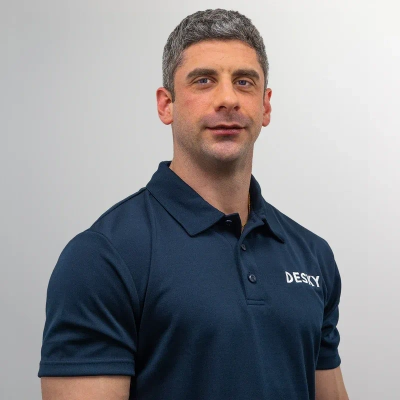
Here at Desky (we sell ergonomic, height-adjustable standing desks), the jobs that are hard to fill are supply chain managers and technical product specialists, roles where the pool for qualified people is very small and every furniture and e-commerce brand is competing for the same names. So to make sure we’re never starting from zero when one of those roles opens, we source from adjacent industries entirely, not just our own sector.
People who are coming from appliance manufacturing or industrial hardware have many transferrable skills that can be utilized in supply chain management and technical product specialist positions respectively. As such, there is less competition for this type of talent because no other company within the same category is actively recruiting from those industries.
Speaking of that, I’d like to explain what keeps that pipeline healthy over time.
We do not just look at those adjacent industries when a job becomes available, we scan them regularly. This habit allows Desky to build relationships with strong candidates ahead of time, so that when a position does become available, there are already “warm leads” to draw from.
Immerse In The Industry Scene Stay Visible
For us the hard-to-fill roles were never the obvious technical ones, they were people who understood both software and the marina industry, which is a strange, small niche most engineers or salespeople have never touched. What worked was going directly into that world instead of posting a job ad and hoping. We talked to people at marina conferences, asked our own customers if they knew anyone switching careers who understood boats and operations, and hired a couple of people who came from the industry itself rather than from tech. The maintenance side is just staying visible in that community even when we’re not actively hiring, because the moment you only show up when you need someone, people can tell.

Forge Vocational Ties For Scarce Trades
Hard to fill positions like skilled denim cutters and pattern makers pushed us to build relationships with local vocational training institutes instead of waiting for open applications to arrive. We started visiting two nearby stitching institutes every quarter, staying in touch with promising students well before they graduated. Before this pipeline existed, filling a skilled cutter role took nearly 38 days on average. After building steady institute relationships, that dropped to 16.7 days, with 71.3% of recent skilled hires coming directly from this pipeline. One maintenance strategy that keeps it healthy is a simple quarterly check in call with instructors, even when no vacancy exists, just to stay updated on upcoming talent. That small ongoing habit, rather than a one time visit, kept the pipeline alive and made hiring for hard to fill roles feel far less stressful when urgent needs came up.
