15 Questions to Ask Yourself When Choosing Your Photography Niche or Specialty

§ How this was made
The perspectives in this article were written by the named contributors and submitted through Connectively. Connectively's automated system selected them and used AI to write the headline, introduction, section headings, summary sections, and illustration, and to make minor edits for clarity. Articles are assembled and published automatically. Report errors to corrections@connectively.us. How we make our content

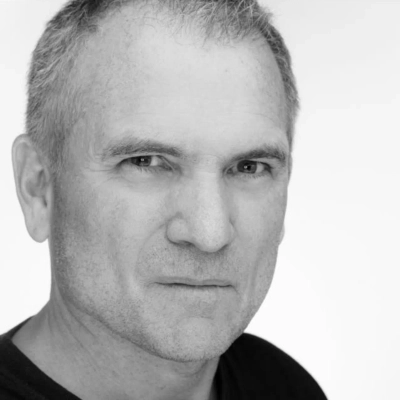
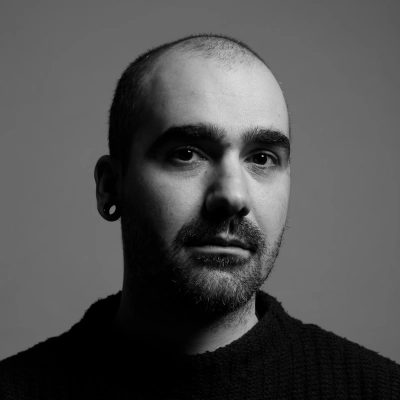
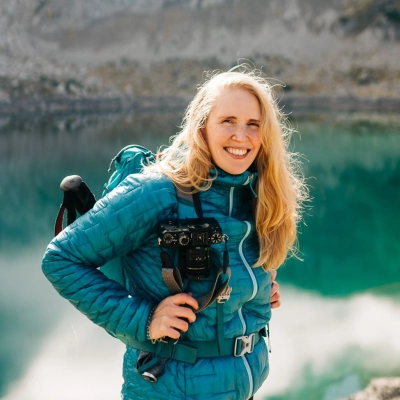
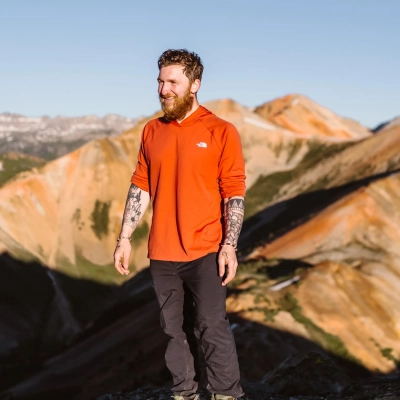








15 experts on the record: Imre Kiss, Ian Taylor, Nicola Sclano and 12 more.

Illustration generated with AI
The answers · 15
- 01Solve a Clear Market Problem
- 02Build Loyal Families Around Authentic Style
- 03Experiment Broadly Before You Specialize
- 04Build Your Niche Around What You Love
- 05Follow What You Would Shoot for Free
- 06Serve Underserved Headshot Customers Transparently
- 07Test Genres Before You Commit
- 08Choose Clients You Have Served Twice
- 09Root Your Vision in Regional Culture
- 10Trust the Work Your Eye Pursues
- 11Start With Cultural Expertise You Know
- 12Let Everyday Subjects Reveal Direction
- 13Match Access, Curiosity, and Perspective
- 14Assess Interest, Skill, and Local Demand
- 15Blend Styles to Find Your Specialty
What the experts said
15 experts on the record
- Solve a Clear Market ProblemImre Kiss
- Build Loyal Families Around Authentic StyleIan Taylor
- Experiment Broadly Before You SpecializeNicola Sclano
- Build Your Niche Around What You LoveCat Ekkelboom-White
- Follow What You Would Shoot for FreeSean Oblizalo
- Serve Underserved Headshot Customers TransparentlyAbigail Graffe
- Test Genres Before You CommitDaniel Goh
- Choose Clients You Have Served TwiceTravis Hoechlin
- Root Your Vision in Regional CultureAndrew Vo
- Trust the Work Your Eye PursuesDavid Christopher Lee
- Start With Cultural Expertise You KnowAbu Bakar
- Let Everyday Subjects Reveal DirectionLeo Liang
- Match Access, Curiosity, and PerspectivePratik Singh Raguwanshi
- Assess Interest, Skill, and Local DemandXhensila Lala
- Blend Styles to Find Your SpecialtyBarry Nussbaum
15 Questions to Ask Yourself When Choosing Your Photography Niche or Specialty
Choosing a photography specialty can shape the clients, projects, and opportunities that follow. This guide offers practical questions to help clarify what you love, what you do well, and what your market needs. It also includes insights from photography experts who share how they found their focus.
Solve a Clear Market Problem
I didn't choose destination photography so much as notice what I kept doing. For years I shot travel for myself — Venice across three visits, Sicily, Slovenia, China — and when I looked back, the frames I cared about were never the landmarks. They were the in-between moments: a hotel room at seven in the morning, a market packing up, a small town after the day-trippers leave. That turned out to be exactly what small hotels and tourism boards need and rarely have, so the niche found me. Today I shoot photo and short-form video for hotels and destinations through my studio, Untold Vista.
Questions I'd ask anyone choosing a focus:
1. What do you shoot when nobody is paying you? That's your real interest. Build around it.
2. Who has a problem your pictures solve? A niche only becomes a business when someone needs the result — a small hotel with a dated, stock-heavy website is a very clear problem.
3. Can you work it all year? Look at the seasons. Some of my strongest work is from the off-season — Venice in February, Sicily in March — precisely because nobody else was there with a camera.
4. Can you explain it to a stranger in one sentence? If you can't, it's still too broad.
Build Loyal Families Around Authentic Style
I didn't choose my niche so much as follow my curiosity until it narrowed on its own. Before photography I worked in the motion picture industry, then ended up in Cambodia at a daily newspaper in the 90s, surrounded by photojournalists. I absorbed their approach: be present, stay out of the way, let the moment happen.
When my five siblings started having kids, I photographed their families on my trips home in that same candid, documentary style. That became my look, a blend of candid portraiture and photojournalism. By 2007 I was full time, splitting my year between weddings in Canada and family sessions in Hong Kong.
Two things pushed me toward families. First, weddings were drifting toward a stylized, staged look, and every one followed the same script of ceremony and party. Second, I noticed that in most homes the photo wall was about 95% family pictures and only one or two wedding shots. Families hired me year after year, and the kids grew up knowing me. That repeat relationship was far more rewarding than a single big day, so I doubled down. By 2014 nearly all my income came from Hong Kong.
Looking back, the one thing I'd change is that I let that specialty crowd out my other work, including NGO and documentary assignments. A niche gives you momentum, but it's worth protecting a second lane.
Questions I'd encourage aspiring professionals to ask:
What do I photograph when nobody is paying me? That's your real style.
Where do my clients come back? Repeat, long-term relationships are more sustainable than one-off jobs.
Is this market heading toward or away from how I like to shoot? Trends shift, so check the direction.
Can I deliver this better than most people, or just market it better? Craft is a lasting edge.
Do I still love it in year ten?
Pick one niche and try to own it. Just keep one foot in the work that made you want to pick up a camera in the first place.
Experiment Broadly Before You Specialize
I don't think choosing a photography niche has to be a decision you make at the beginning of your career. In my experience, it's something you discover gradually.
I studied photography from the age of 14, alongside graphic design. However, until I was around 26, graphic design was still my main focus. My transition into photography happened when I started interning at a photographic studio in London. I had access to the studio and equipment, which gave me the opportunity to experiment, develop my skills and build a portfolio.
Initially, I photographed almost everything, from events to different types of commercial work. A lot of it was driven by what clients requested. Through trial and error, I began to understand which projects I enjoyed most and where my strengths were. Over time, I started specialising in fashion and commercial photography, and naturally attracted more clients in that area.
One important lesson was understanding that not every client or project was right for me. At one point, I had built a network around work I didn't particularly enjoy. I eventually decided to start again and build relationships with clients whose projects and creative direction aligned more closely with what I wanted to do. It wasn't an easy decision, but it helped me establish a clearer direction.
For aspiring photographers, I'd suggest asking themselves a few questions: What kind of photography do I genuinely enjoy? What am I naturally good at? What kind of working environment suits my personality? And, importantly, can I see myself doing this regularly without losing interest?
For example, I enjoy the technical side of photography, paying attention to detail and meeting new people on different projects. However, I don't think I'd be suited to street photography, where you often have to approach strangers, or event photography, which can require a very outgoing and constantly sociable personality.
My advice is to experiment and photograph as many different subjects as possible before narrowing your focus. At the same time, remain flexible. Your interests, skills and circumstances will change, and your specialism might change with them. Finding your niche isn't about limiting yourself; it's about understanding what kind of photographer you want to become.
Build Your Niche Around What You Love
There are two different approaches photographers can take when looking to build their niche. The first is led by the market - specifically, what gap do you see in the market that isn't being filled? Could you build a niche to serve that need? The other way of finding your niche, which is the route that I took and which I recommend for most photographers, is to build your niche around the things that you love the most and what you can offer that makes you different from your competition. When going down this route, I recommend reflecting on the following questions:
1. What do you love about your current business and clients?
2. What would you rather not do?
3. What are your superpowers? What makes you unique (and uniquely qualified)?
4. Who are your ideal clients? How are their needs not currently being met?
5. What can you offer that's different, that serves your ideal clients' needs?
Follow What You Would Shoot for Free
I didn't pick my niche on a whiteboard. I backed into it by following what I already loved.
I've been in love with nature and hiking for as long as I can remember. About 15 years ago I broke into landscape photography and worked with outdoor brands. Back then brands hired based on Instagram follower counts, and I didn't have the numbers. I got passed over a lot.
Then my wife and I eloped outdoors. Standing out there with her, I realized I could put my three passions together: nature, photography, and people. I started photographing elopements in Colorado in 2018, before it was really a niche. I've shot more than 450 since.
The niche found me because I stopped chasing what the market was rewarding and leaned into what I'd do for free anyway.
Three questions I'd tell any aspiring photographer to ask:
What would I shoot for free? Your niche is hiding in the answer. If you'd do it on a day off, you'll do it well on a workday.
Who do I actually want to spend a day with? You're not just picking a subject, you're picking a client. I chose outdoor couples because I like being in the mountains with people who like being in the mountains.
Am I chasing money or fulfillment? Money follows good work done consistently. Fulfillment keeps you doing it long enough for that to happen.
Serve Underserved Headshot Customers Transparently
I run Proud Look (proudlook.com), an AI headshot and portrait service rather than a traditional studio, so my niche was one kind of photo: the professional headshot.
The gap was price and time. Studio headshots in 20 US cities cost $100 to $900, about $341 at the typical midpoint, and they need a booking. Many people just need one good photo for LinkedIn or a team page.
Questions I'd ask: Who is poorly served by today's options, and why? Can you be honest about what you are? Every result we deliver is labelled made with AI, and every example face on our site is labelled customer or compensated tester. Can you take the risk off the buyer? We show a free preview before anyone pays. And who else could you serve? Our whole service works in English and Spanish.
Test Genres Before You Commit
1. I chose to do this by experimentation. Instead of spending too much time trying to decide which genre I should pick, I gave myself 6 months to experiment with different genres of photography. For each month, I restricted myself to shooting one genre: landscapes, street, pets, food, portraits and events. For each shoot, I did offer to photograph a few friends and family members for free and I kept a notebook to record two things: 1) how many people asked me to go back and shoot them again and 2) whether I wanted to go back out to a location the next weekend to do more shooting of that genre. After 6 months of experimentation with different genres, I can safely say that I have found a genre that I will stop guessing at. And that genre is pets. Most Saturday mornings you can find me at East Coast Park lying on the grass with a dog licking my lens.
2. Can I explain what I do to a stranger in one sentence? "I take photos of dogs with their families" works for me. "I capture moments" doesn't. Who else is doing this near me and how badly are they doing? Read their worst reviews to find out. What does one session cost in time, travel and equipment and will I be able to do this again next week? It's the repeat business that will make up for the one-off booked to your dreams. Can you test something new this month for free? Go and take photos of five people or so, ask for feedback and write it down. Don't change direction based on one great or terrible shot.
Choose Clients You Have Served Twice
When I started my business in 2019 I knew I wanted to work with small law firms. Not mid size, not corporate, small. When the pandemic hit and I launched, this decision to niche down to the scariest, smallest market possible was the reason I made over $2M in my first year and why I had over 150 law firm clients by 2021.
When choosing your niche, pick the client you've already worked with twice. Passion doesn't pay the bills. Results do. If you've already done a job twice for a specific type of client, that's your niche. You know their pains, you've figured out repeatable systems to solve those pains, and you've likely gotten better at solving those pains each time. That's a repeatable business.
Root Your Vision in Regional Culture
When launching Echo Cravings, I anchored our visual focus strictly on Southern California's local dining scene, capturing everything from roaring hearths to late-night dumplings after the pho rush. Tying our visual style directly to regional food and neighborhood culture gave our media brand an immediate, distinct identity.
Aspiring creators should first ask themselves: What local subject matter can I document every single day without burning out? If you immerse yourself in an environment you naturally gravitate toward--like neighborhood kitchens and dining rooms--your consistency will show in the work.
You should also ask: How will this niche translate to modern viewing habits on the scroll? Aligning your visual focus with how audiences consume media, such as quick 60-second features across Orange County, turns a specialized creative focus into a sustainable business.
Trust the Work Your Eye Pursues
I decided on my niche by following the work I couldn't put down. Early on I shot everything, and the portraits were the ones I kept thinking about after the shoot — the face, the stillness between expressions. Celebrity and portrait work chose me as much as I chose it. A portrait is a negotiation in real time between the person in front of the lens and the person behind it, and that is the part of photography I never tire of.
Three questions I would ask any aspiring photographer. First: what work do you actually finish and feel proud of, not just paid for? Second: what subject could you shoot for five years without getting bored? Third: where does your eye already go when nobody is directing you? If you cannot answer those three honestly, you do not have a niche yet — you have a rate card.
Then the practical one: can you be the person in the room for that work? Celebrity portraiture is access and trust as much as technique. You are hired because a publicist, a magazine and a subject all believe you will not waste their time or embarrass them. That trust is earned slowly, one clean shoot at a time.
My rule after 27 years: if the job does not need my eye — natural light, one honest frame, no overproduction — I pass on it. I shoot with a Leica M11 and a 50mm. A niche is not a label. It is the work you refuse as much as the work you take.
Start With Cultural Expertise You Know
As I do marketing at Memory Filming, I see our niche from the marketing point of view. We are the Asian and multicultural wedding photographers of London, and often couples won't look for "a wedding photographer" in general. They would like someone who is familiar with their ceremonies, what cannot be missed, and how long each section typically takes. This specific knowledge is what you need to develop and create a niche industry.
When choosing a specialty, begin with the weddings you are most familiar with and experienced in, and not by reading about it. Ask if there are clients who desire that knowledge, but can't find anyone who has it. It's also a good question to ask if you could take this shot over and over again without getting tired of it, and if you could create a portfolio that is specific enough to find your own day in it.
If you can't say yes to those, the niche is likely too general or too out of your range of experience. Begin at a smaller size than is comfortable
Let Everyday Subjects Reveal Direction
I didn't pick a niche from a list. I started photography because I liked Olympus cameras and was inspired by the Taiwanese photographer Ricardo. With my old Pen-F I mostly shot street and scenery in Hong Kong. Over time the frames I kept coming back to were buildings — facades, corners, light on concrete — so architecture became the work I actually do, not a label I chose first.
When I moved to the GH7 in March 2025, that stayed the same: Hong Kong architecture and city walks, usually with a light kit I can carry in one backpack. The gear changed because I wanted to add video; the subject did not.
Aspiring photographers might ask: What do I photograph on ordinary days when nobody is watching? Which subject still pulls me out the door after a long week? Am I chasing a trend, or a place and light I already know? Niche follows that answer.
— Leo Liang, founder of XT Filters
Match Access, Curiosity, and Perspective
A photography niche is found at the intersection of unique access, a repeatable process, and a subject that sustains your curiosity through the mundane phases of professional production. My focus on travel photography across Southeast Asia and the Middle East was a strategic decision rooted in my background in behavioral psychology. I realized I was most effective when capturing the friction and flow of people within rapidly changing urban environments. While many photographers chase static landscapes, my specialty became the human-environment interaction in high-growth regions. This alignment between my interest in how people navigate systems and my personal aesthetic for street photography created a specialty that felt authentic rather than manufactured.
Aspiring professionals should ask themselves three foundational questions before committing to a focus. First, what subjects do you document when you are not being paid? Your default photography is where your genuine voice resides. Second, where do you have a proximity advantage? Access is the most undervalued asset in this industry; being the best at documenting your immediate geographic or professional circle is more sustainable than competing in a saturated global category. Finally, can you produce one thousand images in this niche and still find the one-thousand-and-first compelling? A niche is only viable if it survives the transition from a personal hobby to high-volume professional demand.
Narrowing your focus is not a restriction on your creativity but a way to sharpen your observation. You scale your impact by refining your perspective until your work becomes unmistakable. Trying to be everything to everyone leads to stagnation; you find your market by becoming the only person who sees the world exactly the way you do.
Assess Interest, Skill, and Local Demand
I chose interior photography as a specialty because it combines visual storytelling with the technical discipline of interior design. Photographing the inside of a building, whether it's a home or office, is also an effective way to learn about interior design.
If you'd like to take this route, there are a few things you should consider before you get started:
Will you enjoy spending a lot of time studying different spaces, architectural designs, lighting temperatures, material and textures, and proportions?
Are you technically inclined? For example, you'll need to figure out how to use a wide-angle lens to capture an entire space while making the room appear as large as possible (going too far with the wide-angle lens can distort objects and make the furniture look weird and not represent the room or the designer's efforts accurately).
Is there a market for this type of work where you live? Interior designers, architects, furniture companies, and real estate and property developers may all be potential clients.
The best niches for your business will be at the cross-section of these three questions.
Blend Styles to Find Your Specialty
Try combining different styles. For example, use elements of graphic design in your photography by compositing images together. In fashion photography, this might mean combining dramatic lighting, interesting backgrounds and other photographic elements into one cohesive (albeit somewhat unrealistic) image. Try compositing using different types of images, solicit feedback from other photographers and see which composites have the most impact.
Ask yourself questions like: What types of subjects do I enjoy photographing? What do I like about them? What do I want the viewer to notice/feel? What works? What detracts from the subject? What can I do to improve in my next shot? Am I interested in this type of photography enough to do it on a regular basis? Does this line up with what people might pay me to do?
Ultimately, you want to find an area of expertise that matches your creative abilities, interests and consistently-deliverable skills for your clients.
Connecting Experts with Publishers
Connectively connects subject-matter experts with top publishers to increase their exposure and create quality, ready-to-publish Q & A content.
About Connectively →