

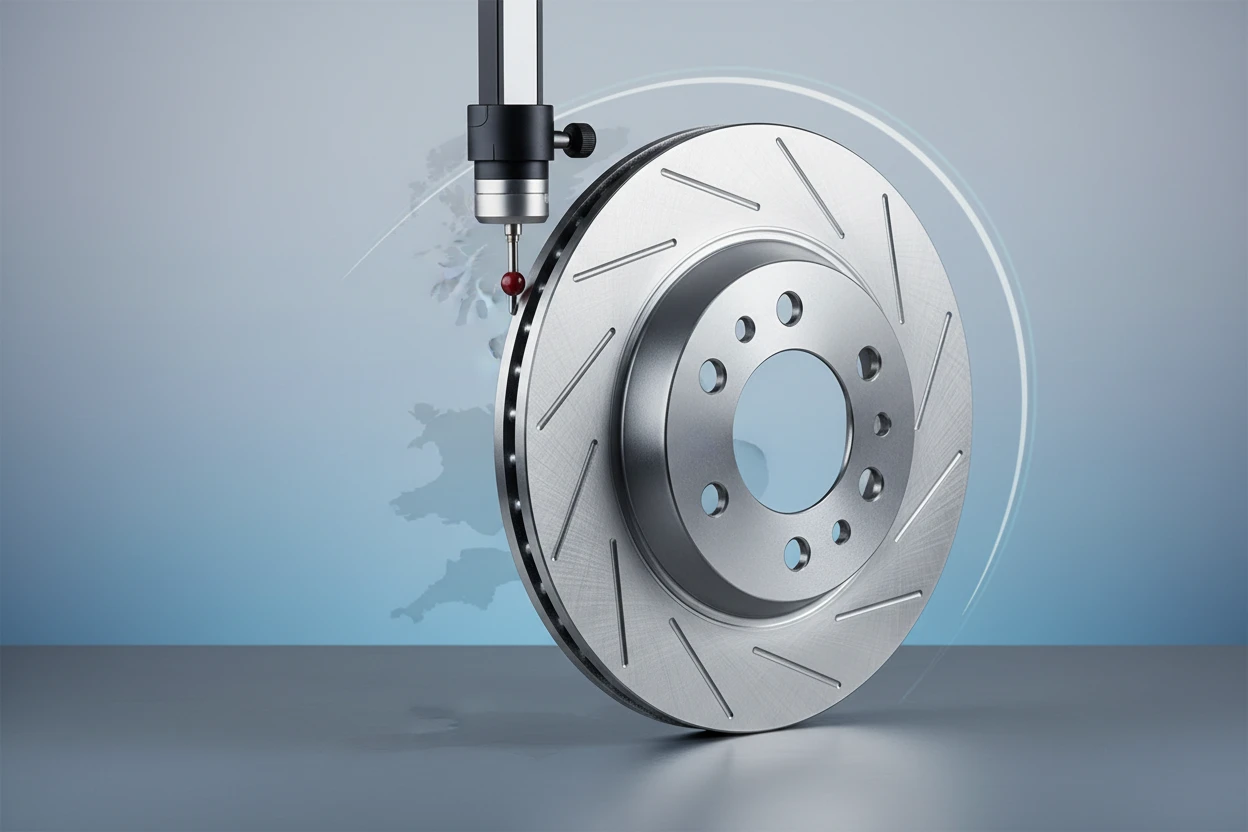
Why UK-Made Aftermarket Parts Win: Speed, Quality Assurance, and Brand Trust
Authored by: Ben Grimwade
The aftermarket car parts industry is global. A huge number of components now come from factories overseas. Many of them sell through marketplaces and online stores. The price often looks attractive. But price is only one factor.
I run a UK engineering business that manufactures CNC-machined automotive components. From that perspective, I see a clear difference between locally produced parts and imported alternatives.
The difference usually comes down to three things.
- Speed.
- Quality control.
- Trust.
These factors matter more than many buyers realise.
Speed: Local Manufacturing Moves Faster
First, let’s talk about speed.
When design and manufacturing happen in the same workshop, development becomes much faster. Changes to a part can happen the same day. A prototype can be machined within hours.
For example, I recently worked on a new wheel spacer fitment for a performance car. I measured the hub, created the CAD model, and then ran the first prototype on the CNC machines that afternoon. The next day I could test the fit on the vehicle.
That type of turnaround simply does not happen with overseas production.
If the part comes from another country, the process often looks very different. A design goes to a supplier. The supplier produces a prototype. The prototype ships across the world. Then the designer checks the part and requests changes.
Each step takes time.
Weeks can pass before the second prototype appears.
Local manufacturing removes that delay. The feedback loop becomes very short. As a result, development moves faster and the final product improves more quickly.
Quality Assurance: Control of the Whole Process
Next is quality control.
Many aftermarket parts sit in safety-critical areas of a car. Wheel spacers, brake components, drivetrain adapters and suspension mounts all carry mechanical loads. These parts must fit precisely.
Small errors create vibration, stress, or premature wear.
When a manufacturer controls production from start to finish, inspection becomes much easier.
For instance, in my workshop the entire process happens in one place. Raw aluminium arrives from a UK supplier. The part is machined on the CNC machines. After that the component goes through finishing and inspection before packaging.
Because the work stays in the same building, I can check every step.
If I notice a problem in the machining process, I adjust the program. If I see a finishing issue, I correct it before the next batch runs.
This level of control helps maintain consistent tolerances.
Imported parts often move through several different companies before reaching the customer. Each step introduces more variation. Sometimes that variation is small. At other times it becomes a real problem.
Precision engineering leaves little margin for error.
Brand Trust: Buyers Know Who Built the Part
The third factor is trust.
Car enthusiasts care about where their parts come from. They also care about who made them.
When someone installs a component on a car worth tens or hundreds of thousands of pounds, they want confidence in the part.
“Made in Britain” carries weight with many buyers. It signals that the product came from a real engineering workshop rather than an anonymous factory listing.
In addition, customers can speak directly to the manufacturer.
For example, I often receive emails from owners asking about fitment details. They want to confirm wheel clearance, bolt length, or torque settings. Because I designed and machined the part myself, I can answer those questions quickly.
That type of interaction builds confidence.
It also creates long-term relationships with customers who appreciate direct support.
Small Manufacturers Still Compete
Some people assume that small engineering companies cannot compete with large overseas factories.
That assumption often misses how modern manufacturing works.
CNC machines allow small workshops to produce very accurate parts in relatively small batches. Digital design tools allow rapid development of new products. As a result, a small manufacturer can react quickly to demand.
For example, if owners of a specific performance car request a new spacer size or adapter plate, a small workshop can design and machine the part within days.
Large factories tend to prefer huge production runs.
Small workshops specialise in niche products.
Both models have their place.
But for enthusiast cars and specialist components, the smaller approach works very well.
Final Thoughts
UK-made aftermarket parts win for a simple reason.
They are developed faster.
They allow tighter quality control.
And buyers know exactly who built them.
From my experience running a CNC workshop, those three factors make a real difference.
Car enthusiasts often spend large sums maintaining and modifying their vehicles. When they buy parts produced locally by engineers who work directly with the product, they gain something that mass production rarely offers.
Confidence in the part and confidence in the person who made it.
Author Bio: Ben Grimwade, Founder and CEO, Brightstone Engineering