

What Americans Often Underestimate About Traveling Through Northern Italy
Authored by: Luciano Armanasco
When Americans plan a trip through Northern Italy, one of the biggest mistakes often starts with the map.
At first glance, everything can look surprisingly close. Milan seems near Lake Como. Verona does not look far. The Alps appear scenic but manageable. Add a vineyard stop, a charming lakeside town, and maybe a mountain hotel, and the itinerary can feel efficient on paper.
In reality, Northern Italy often moves very differently from how it looks.
That gap between what travelers expect and what the region actually demands is where a lot of stress begins.
The Map Creates False Confidence
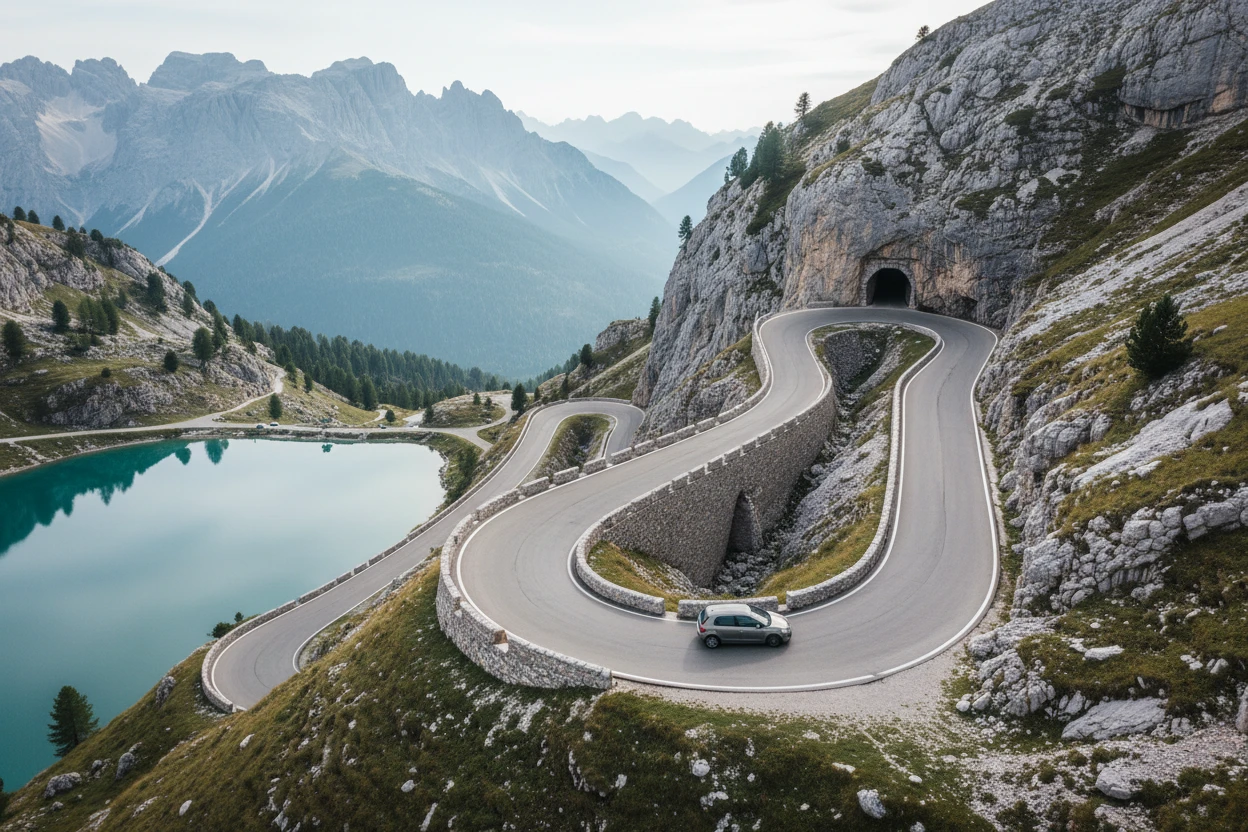
One reason is geography. In Northern Italy, geography is not just scenery; it shapes the entire trip. Lakes, mountain roads, elevation changes, narrow access points, and indirect routes can all affect how long it takes to travel from one place to another.
What looks like a short transfer on a screen can turn into a much longer travel day once real roads, traffic patterns, and terrain come into play.
This is especially true for travelers trying to visit several areas in a short amount of time. A route may look compact on a map, but the lived experience can be very different. In Northern Italy, distance alone does not tell you much. Time, terrain, and access matter just as much.
That is one reason many travelers enjoy the region more when they follow a more focused itinerary, like a well-planned Northern Italy tour, rather than trying to stitch too many stops together on their own.
Transportation Is More Layered Than People Expect
Another issue is transportation. Many American travelers assume that if a destination is famous, getting there must be straightforward. In Northern Italy, that is not always the case.
Public transportation can be effective on main routes, especially between larger cities, but once an itinerary starts mixing lakes, smaller towns, wine areas, and mountain regions, things can become less simple than expected. Trains may cover one part well, but not the whole journey. Ferries may be beautiful, but they do not always fit neatly into a tight schedule. Local transfers that seem easy in theory can become tiring in practice.
Then there is the rental car problem. Many visitors do not think about it until they are already dealing with it. Renting a car in Northern Italy can be useful, and in some cases, it is the smartest option, but it is not always seamless. Weekend availability can tighten quickly, and in many areas, the most reliable rental offices are at airports rather than in town centers.
Travelers sometimes assume they can pick up a car anywhere, anytime, only to realize that hours are limited, cars are low in stock, or the simplest solution requires going back to an airport location. That may sound like a small detail, but it can reshape an entire day.
Transition Fatigue Adds Up Fast
There is also the issue of transition fatigue, which is easy to overlook while building an itinerary. Travelers tend to focus on destinations and not on what it takes to move between them.
Check-out times, luggage handling, parking, ferry timing, train changes, navigation, and hotel arrivals all take energy. None of these things sound dramatic on their own, but together they can quietly drain a trip. An itinerary that looks exciting can start to feel rushed simply because too many moving parts were squeezed into too little time.
This is one reason Northern Italy rewards depth more than compression. It is not a region that gives its best self to travelers who try to rush through it. In many cases, the smartest itinerary is not the one that covers the most ground; it is the one that respects the region’s logic.
Winter Adds a Different Layer of Complexity
Winter is another detail many travelers underestimate.
Northern Italy can be extraordinary in winter, but it is also the season when logistics become less forgiving. In mountain areas, conditions can change quickly. Some passes may become difficult or impractical with little notice depending on weather, snow, and road conditions. A route that looks reasonable at one moment can suddenly become a much more serious undertaking.
Even when roads remain open, winter driving in alpine areas is not something every traveler is comfortable with, especially if they are unfamiliar with mountain roads, snow rules, or local timing. What feels adventurous in theory can become stressful very fast if the trip was planned too tightly.
There is also a more subtle issue that visitors often forget: daylight. Winter days in Northern Italy are short, and in the mountains, they can feel even shorter. That changes the rhythm of the trip more than many people expect. A day that looks full of possibility on paper can narrow quickly when light fades early, temperatures drop, and driving conditions become more challenging by late afternoon.
For travelers who love skiing and winter landscapes, that season can still be incredibly rewarding. But it needs to be approached with more intention, flexibility, and respect for the region’s practical realities.
Northern Italy Is Best When It Is Planned With Realism
For American travelers especially, visiting Northern Italy often requires a mental shift. In the U.S., people are used to looking at distances and making quick assumptions about convenience. In Northern Italy, convenience depends on much more than miles; it depends on terrain, route design, transport patterns, weather, daylight, and timing.
That does not make Northern Italy difficult. It makes it something better than easy. It makes it worth approaching with more realism and care.
The travelers who enjoy it most are often not the ones who try to do everything. They are the ones who understand that this part of Italy is best experienced with rhythm. The landscape is dramatic, the towns are layered, and the movement between places is part of the story. When the trip is built with that in mind, the experience becomes far more rewarding and far less stressful.
That said, Northern Italy remains one of the most beautiful and rewarding parts of the country. We absolutely recommend visiting it. Winter can be wonderful for travelers coming specifically to ski and enjoy the mountain atmosphere. For most others, though, late spring through early autumn is usually the best time to experience the region, with longer days, easier movement, and a more relaxed travel rhythm.
About the expert
Luciano Armanasco is the founder and tour host of Our Dolce Vita, an Italy-based tour operator creating guided, all-inclusive trips for U.S. travelers.