

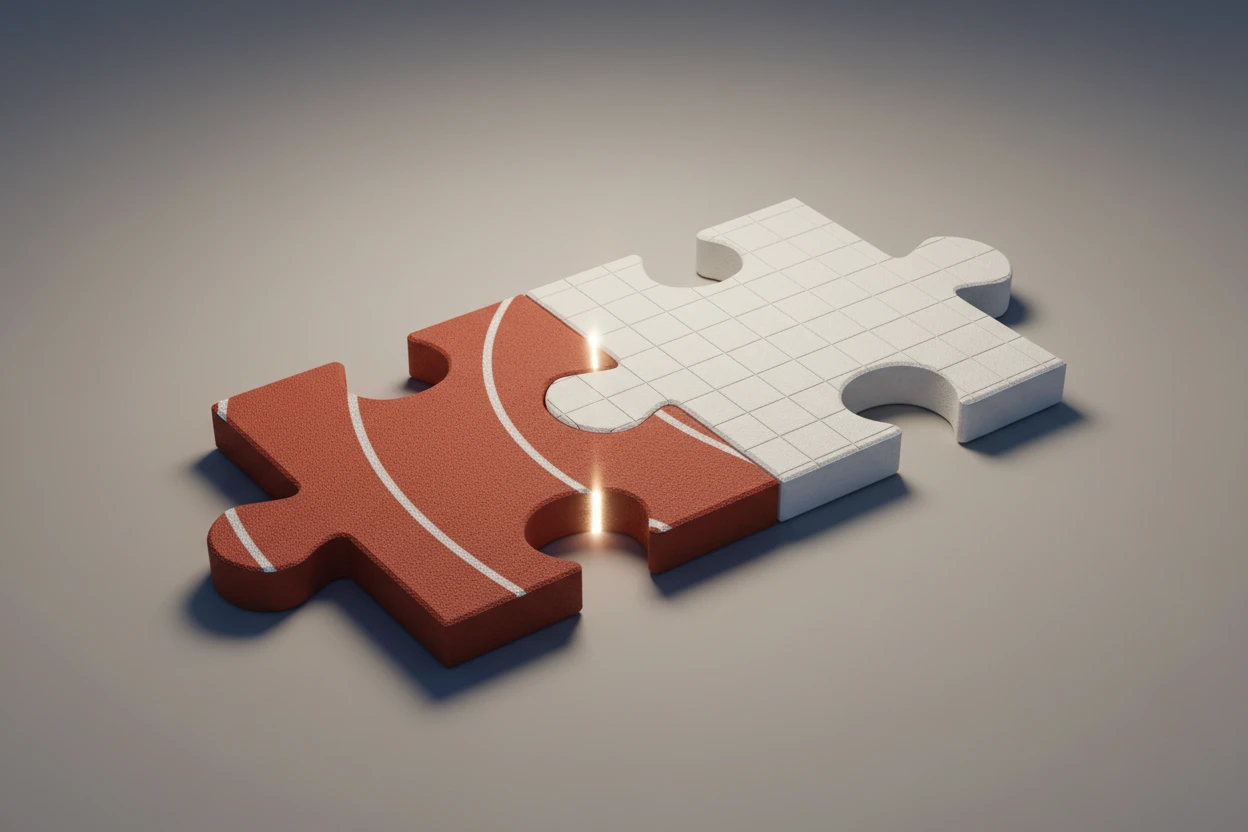
What 25,000 Athletes Taught Me About Matching Brands and Creators
Authored By: Ishveen Jolly
When I was a sports agent, I sat across from a top golfer at the Indian Open and learned that his agent was his next-door neighbor, a well-meaning person with no connections in the markets where this athlete actually competed. Months later, I traveled to Colombia to prospect sponsorships for a client, flew back to NYC to make my presentation, and sat through a meeting while everyone decided to table the conversation for a month. By the time people were ready to make moves, every opportunity I had discovered had dried up. Those two experiences solidified for me that the sponsorship industry wasn’t just inefficient, it was broken. And I was going to build the tool to fix it.
OpenSponsorship has helped close over 10,000 deals across 160 sports in 120 countries for our community of 25,000+ athletes, influencers, podcasters, and creators. Here’s what that experience has actually taught me about what makes a great brand-creator match, and what most brands still get wrong.
The best matches rarely look obvious on paper.
When brands come to us, most have a very clear picture of who they want: a high-profile athlete, a big following, a strong average engagement rate. Recognizable. Safe. Impressive in a deck.
But some of our most successful campaigns have come from partnerships that nobody would have predicted. A menopause supplement brand paired with a track athlete whose average engagement rate was unremarkable, but whose posts about hormonal health drove six times her usual engagement, because that audience was deeply invested in that conversation. A golf tech company that found its perfect partners not in tour professionals, but in YouTube creators who were obsessive about the game and had built communities around it.
The lesson: authenticity isn’t a feeling. It’s measurable. We look at audience demographics, engagement quality, brand affinity signals, and what creators actually talk about when they’re not doing deals. The best partnerships happen when a creator’s genuine interests overlap with a brand’s product, not when a brand simply rents a famous face.
Athletes aren’t just influencers — but the lines are blurring fast.
Years ago, when I had the vision to start OpenSponsorship, our sales pitch was simple: Athletes are undervalued marketing assets. That’s still largely true today. Athletes see higher engagement rates on social platforms than your typical influencer: 5.6% on average compared to 2.4%. They have earned credibility, superfans, and authenticity, their personal brands were built on doing shit right in front of everyone’s eyes, not by crafting the perfect feed.
This category has grown WAY past what I thought it would be. More than 50% of our deals are with female athletes. This is due to a few reasons. We’ve seen women’s sports explode over the past few years. And two, female athletes just flat out create better content. And increasingly, brands are coming to us not just for athletes, but for podcasters, wellness creators, lifestyle influencers, and yes, even a Benjamin Franklin impersonator for Philadelphia International Airport.
The common thread isn’t the category. It’s the authenticity of the connection between creator and audience.
People want human contact more than they want technology.
We started as a self-service platform. Brands could log in, browse athletes, and manage campaigns themselves. We thought that was the future: democratized, efficient, scalable.
Our customers told us otherwise. When we helped manage the process, campaigns performed better, relationships lasted longer, and everyone got more out of it. We’re now a tech-enabled agency, the data and matching intelligence are still there, but so is a team that helps brands think through strategy, negotiate deals, manage deliverables, and measure results. That shift, which felt counterintuitive at the time, turned out to be the most important decision we ever made.
The match is just the beginning.
The biggest myth about influencer marketing? That finding the right creator is the difficult part. It’s not. Making it work is the difficult part.
The companies that are more likely to see a positive ROI are those that treat athlete content as a starting point, not the entire campaign. They’re promoting the content behind the partnership’s PR, putting it on their websites and adding it to their sales decks. They think funnel, through and through.
And the best of them treat the first deal as a test. They measure honestly. When it works, they go deeper. Some of our most successful client relationships began with a single campaign and have grown into long-term partnerships that compound in value year after year.
Twenty-five thousand athletes and creators have taught me a lot. But the most important lesson is the simplest one: the right match, done well, is worth far more than a big name done badly.
Author Bio: Ishveen Jolly is Founder & CEO of OpenSponsorship, a tech-enabled athlete marketing platform backed by Serena Williams and David Blitzer. OpenSponsorship has completed 10,000+ deals across 160 sports and 120 countries. She was named an SBJ Game Changer in 2025.