The ADU Market Has Changed: What Homeowners Should Know Before Building in 2026
Authored by: Rubi Esmeralda
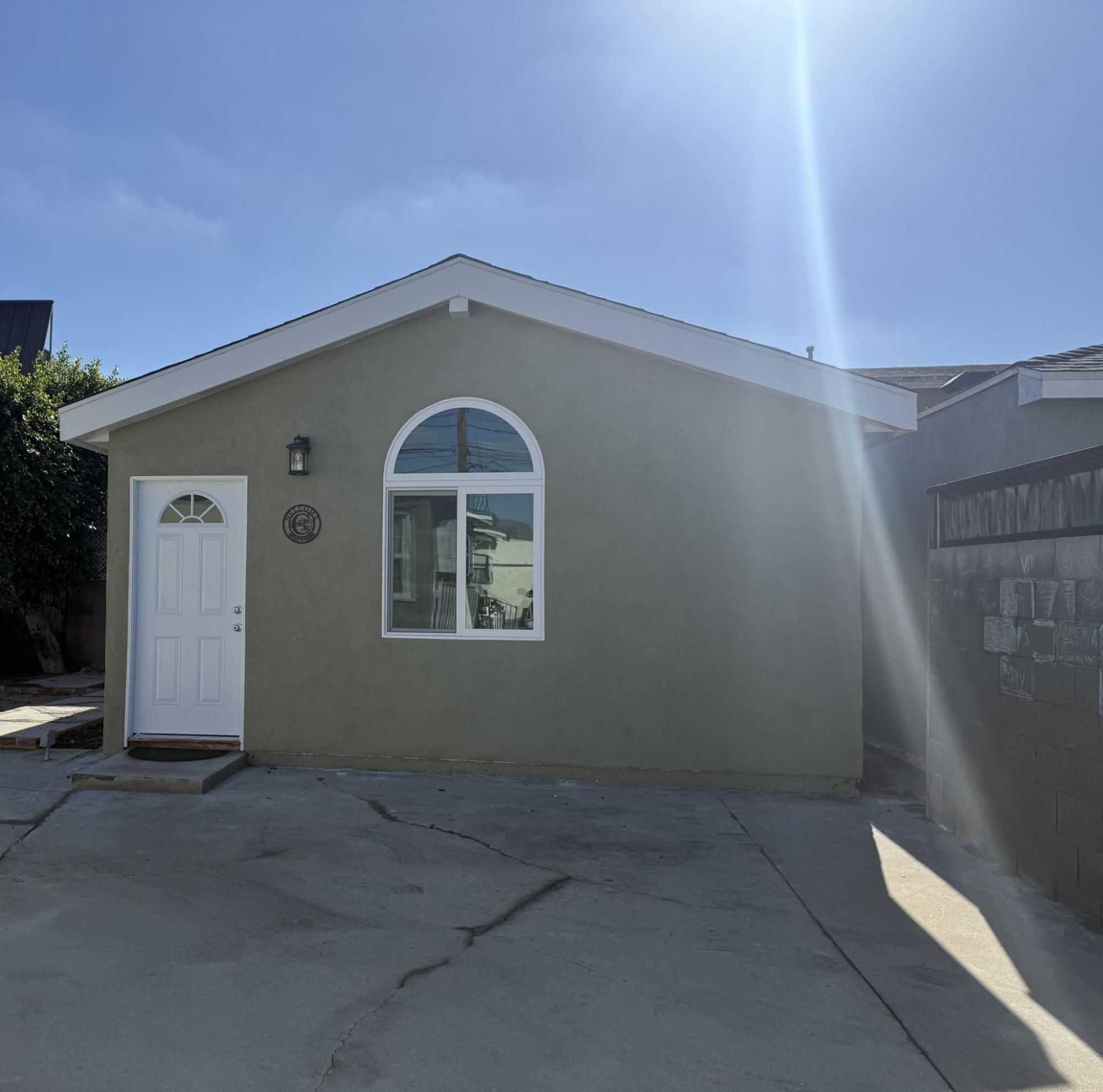
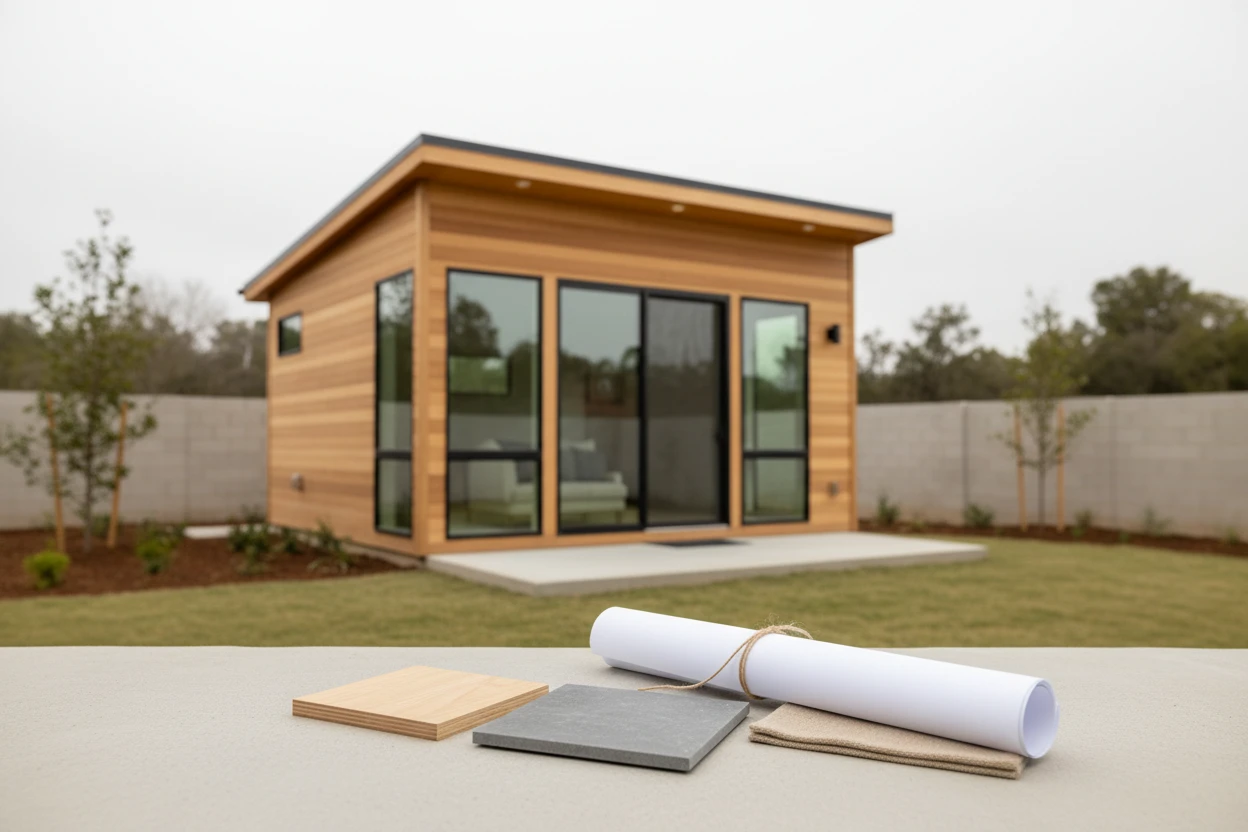
Accessory dwelling units have moved far beyond the idea of simply converting a garage or putting a small structure in the backyard. In California, they have become an increasingly important part of the housing conversation, giving homeowners another way to accommodate families, create long-term rental housing, or make better use of property they already own.
California continues to update its accessory dwelling unit laws, and the California Department of Housing and Community Development released an updated ADU Handbook in March 2026. State law is designed to reduce barriers and streamline approvals, but that does not mean every ADU project is automatically simple.
From my experience working in construction and architectural design in the Los Angeles area, one of the biggest misconceptions I see is that homeowners believe the first question should be: “How many square feet can I build?”
There are several questions that should come before that.
1. Start With the Property, Not the Floor Plan
Before deciding on bedrooms, finishes or even the size of the ADU, homeowners should understand what their property can realistically support.
Existing structures, property setbacks, access, utility locations, electrical capacity, sewer connections and site conditions can all influence the design and cost.
A beautiful floor plan means very little if it cannot be efficiently built on the property.
This is why I recommend beginning with a feasibility review. Understanding the site first allows the design to respond to the actual property rather than forcing a design onto a site that may not support it.
2. Approval Does Not Mean Construction Is Automatically Easy
California has made significant efforts to make ADUs easier to permit. Cities and counties are required to allow ADUs and junior ADUs under state law, although local jurisdictions can still have ordinances and development standards that apply.
The City of Los Angeles, for example, maintains its own ADU regulations while incorporating provisions of state law.
Homeowners should understand the difference between being allowed to build an ADU and having a project that is fully coordinated and ready for construction.
Architectural plans, structural requirements, energy requirements, utilities and other building components still have to work together.
3. The Cheapest Proposal Is Not Always the Least Expensive Project
ADUs attract homeowners because they can create significant value from an existing property, but budgeting should go beyond a price-per-square-foot calculation.
Site conditions can change costs dramatically.
A garage conversion, detached ADU and second-story addition may have similar square footage but completely different structural, utility and construction requirements.
One lesson I repeatedly see in the field is that money spent understanding the property and developing coordinated plans early can help prevent much more expensive changes during construction.
The goal should not simply be to reduce the starting price. It should be to reduce surprises.
4. Design for the ADU’s Real Purpose
Not every ADU needs the same design.
A unit intended for an aging parent has different priorities than one intended for rental income. A homeowner planning for multigenerational living may prioritize accessibility, privacy and connection to the main residence. A rental-focused project may prioritize durability, storage and efficient use of space.
Before designing the structure, homeowners should answer a basic question:
Who is this ADU actually being built for?
That answer should influence almost every major design decision.
5. Think Beyond Today’s Construction
An ADU is not simply another room. It is a long-term addition to the property.
Homeowners should consider how the unit could function five, ten or twenty years from now. Family needs change. Housing needs change. Ownership changes.
That is one reason ADUs have become such an interesting part of California’s housing market. The state describes ADUs as a flexible housing option that can help increase housing supply while also providing homeowners with additional options for their property.
The strongest ADU projects I see are not necessarily the largest or most expensive. They are the ones where the homeowner clearly understands the purpose, the property is evaluated before design begins, and the plans are developed with construction in mind.
Before asking, “How much can I build?”
A better first question may be:
“What is the smartest way to build on the property I already have?”
Author Bio: Rubi Esmeralda
Licensed General Contractor & Architectural Designer
Founder, SHINE INVEST