

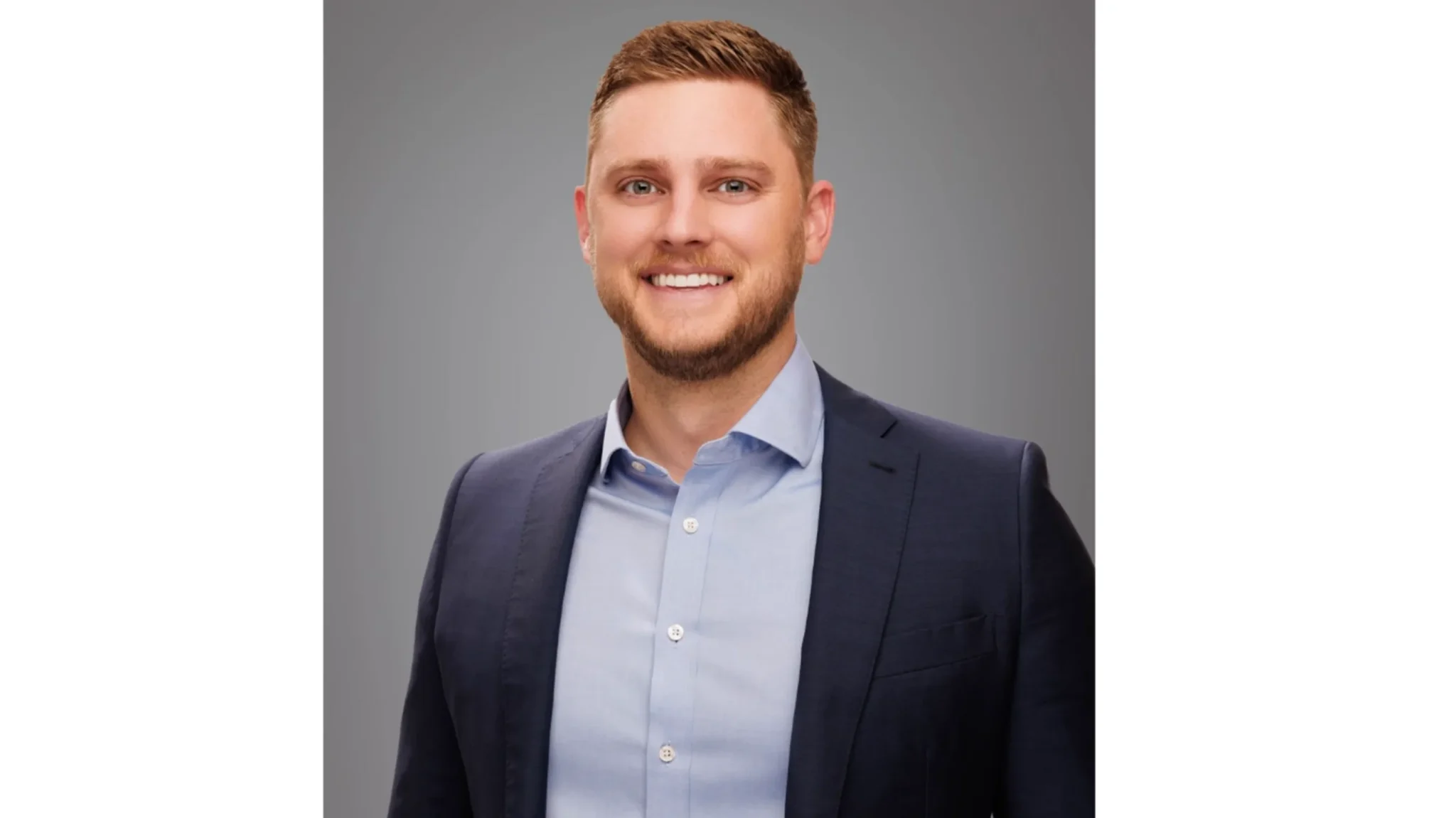
This interview is with Nate Willardson CFP® , Managing Partner, Currents Wealth Strategies.
To kick things off, how do you describe your work as Managing Partner and CERTIFIED FINANCIAL PLANNER at Currents Wealth Strategies, and the type of pre-retirees you specialize in serving?
Currents Wealth Strategies is a fee-only, fiduciary advisory firm built for one purpose: helping people make the right decisions in the 5 to 10 years before retirement. This is the most consequential financial window of most people’s lives. Most people spend decades focused on accumulation, but the years before retirement demand something different: coordination, tax planning, and a strategy built for what comes next.
My job is to bring order to complexity. I look at a client’s complete financial picture—investments, taxes, income, estate, and business interests—and build a strategy that works as a unified system. Everything is coordinated toward the same outcome.
The clients I serve are at an inflection point:
- Some are approaching a business exit.
- Some are sitting on concentrated stock.
- Others have spent decades building wealth and are ready to finally live on it.
What ties all three together is timing. They’ve reached a defining financial moment, and the cost of getting it wrong is too high to leave to chance.
What pivotal experiences in financial services led you to focus on tax-aware wealth, investment, and retirement planning for clients in their 50s and 60s?
I spent nearly a decade at a global private bank advising families on some of the most complex financial decisions of their lives. That experience shaped how I think, but it also revealed a fundamental problem with how large firms operate: they’re built for scale. What’s left is generic advice, portfolios that look like everyone else’s, and clients who can’t always articulate what their advisor is actually doing for them or why.
That’s what pushed me to build something different: Currents. A firm where every client has a clear, coordinated strategy built around their specific situation. One they can understand, one they can speak to, and one where every decision across investments, taxes, income, and estate is working toward the same goal.
My focus is on serving people who are encountering an important financial moment: a business exit, concentrated stock, inheritance, or the final stretch before retirement. These are the people I do my best work for.
When you onboard a new client in their 50s, what is your first-90-days process for building a tax-smart retirement plan, including the data you gather and the Excel/planning tools you rely on?
The first 90 days are about building the complete picture before making a single recommendation.
We move through three phases: Discovery, Strategy, and Implementation.
-
Phase one is Discovery. We start with a full financial audit: balance sheet, cash flow, investment accounts, prior tax returns, insurance, equity compensation, and business interests. We establish goals and context, understand your retirement vision, income needs, and how you make decisions. By the end of this phase we have identified tax inefficiencies, estate gaps, and protection issues that need to be addressed.
-
Phase two is Strategy. This is where the findings from discovery become a plan of action. We design the investment portfolio, build retirement income projections using Monte Carlo modeling, optimize Social Security timing, and develop a withdrawal and tax strategy designed to help you keep more of what you have spent a lifetime building.
-
Phase three is Implementation. This is where strategy becomes action. Accounts are transferred, portfolios are funded, and any red flags identified in discovery are addressed. We involve your whole team: CPA, estate attorney, and any other advisors. Every client leaves with a One Page strategy document we reference in every meeting, so there is never any question about where things stand or what comes next.
By day 90, every piece of the plan is coordinated and the result is a retirement that is financially sound and built to last.
How do you structure a withdrawal strategy that coordinates portfolio guardrails with tax brackets, Social Security taxation, and Medicare IRMAA thresholds in the first decade of retirement?
The first decade of retirement is the most tax-sensitive period of most people’s financial lives. Income is flexible, tax brackets are manageable, and decisions made in those early years have a compounding effect on lifetime tax burden. Many people underestimate how much is at stake.
We start by mapping every income source and its tax character: Social Security, portfolio withdrawals, Roth accounts, rental income, pensions, and real estate. Each source affects the tax return differently and can influence Medicare premiums through IRMAA thresholds. Many people don’t realize that a single poorly timed distribution can trigger a surcharge that costs thousands in additional Medicare premiums the following year.
From there, we run a detailed analysis to find the most tax-aware withdrawal sequence for each client’s specific situation.
We also use portfolio guardrails to manage sequence-of-returns risk. Rather than a rigid withdrawal rate, we set spending bands that adjust based on portfolio performance. If markets are down, we pull back; if the portfolio is ahead of plan, there is room to spend more.
The goal is simple: a retirement income strategy that is tax-efficient, flexible, and built to last.
What real-world outcome have you seen from maintaining a multi-year cash and high-quality bond buffer to manage sequence-of-returns risk at retirement?
Sequence-of-returns risk is typically the largest threat to a successful retirement. A significant market decline in the early years, when withdrawals are being taken, can permanently impair a portfolio to the point where it can no longer sustain your lifestyle.
Every client’s situation is unique, but for most a cash-and-bond buffer covering the next five years of spending is the right fit. For others, it means a more diversified income strategy that incorporates alternatives, dividend-producing assets, or other sources of non-correlated return. The structure depends on the client’s spending needs, tax situation, risk tolerance, and overall portfolio size.
The real-world impact is clear during bouts of market volatility. Clients with a real plan don’t make reactive decisions. They stay invested, stay on course, and let the strategy do its job. Without a plan in place, you are more likely to panic sell, feel stressed, and have that pit in your stomach.
Having a proper plan is what separates those who have successful retirements from those who don’t.
Thanks for sharing your knowledge and expertise. Is there anything else you'd like to add?
About Me: My name is Nate Willardson. I am a CERTIFIED FINANCIAL PLANNER® professional and Managing Partner at Currents Wealth Strategies, a financial planning and investment firm for pre-retirees.
LinkedIn: https://www.linkedin.com/in/nate-willardson/
Company Website: https://currentswealthstrategies.com/