

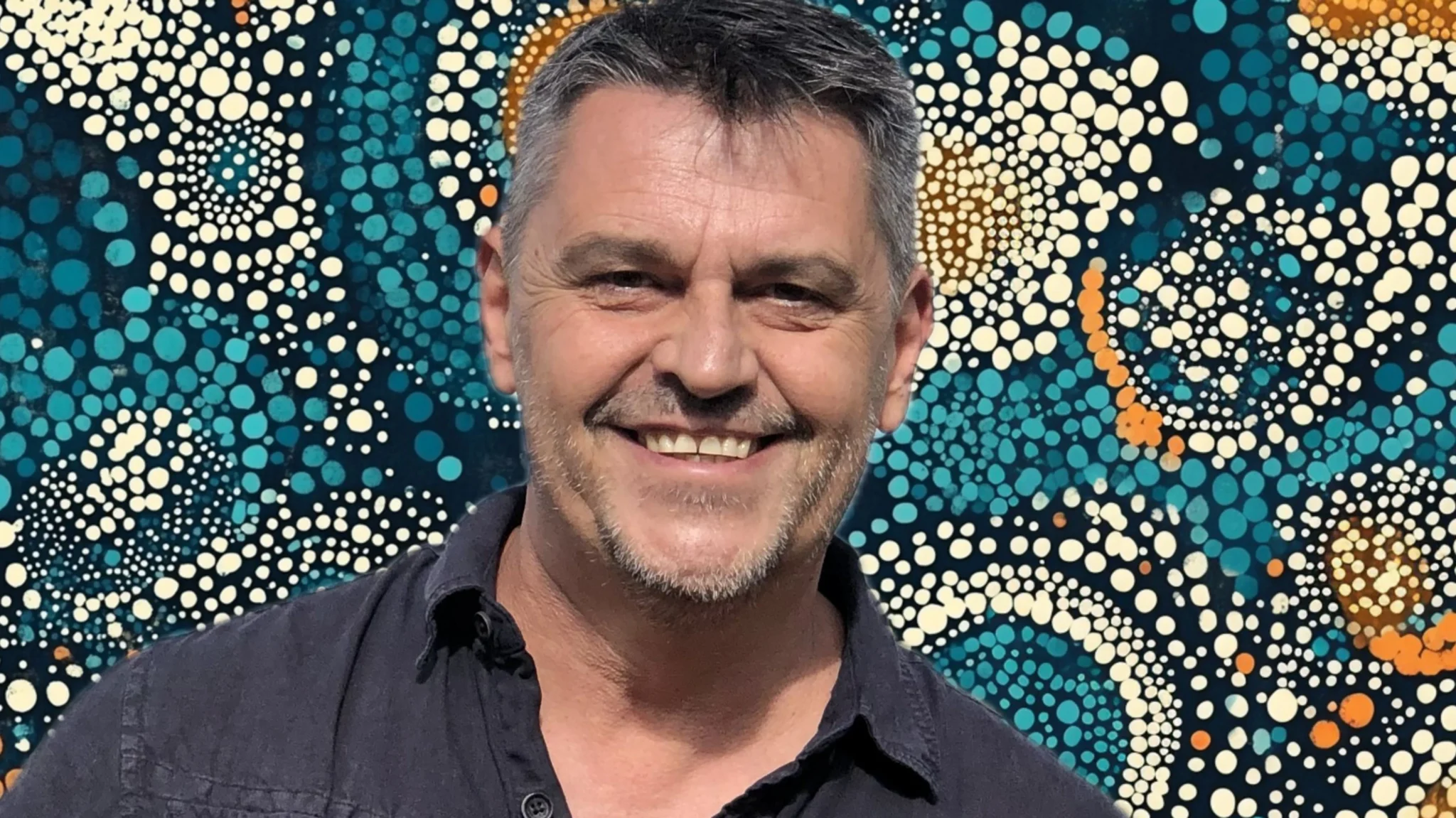
This interview is with Jan Michiel Drese, Founder & Creative Director, Drese Art (G-Mobile Content).
For readers meeting you for the first time, how do you describe what you do as Founder & Creative Director of Drese Art, and how does your computer‑software background shape your approach to artistic branding and DTC merch?
As Founder and Creative Director of Drese Art, I create original artwork and transform it into everyday products such as tote bags, phone cases, home décor, and workspace accessories. My goal is to make art more accessible by integrating it into objects people use and enjoy every day, rather than limiting it to traditional wall art.
What makes my approach somewhat unusual is that my background is in computer software rather than formal art or design. Software development taught me to think systematically about user experience, processes, scalability, and continuous improvement. I apply those same principles to building an art-driven direct-to-consumer brand.
Instead of viewing creativity and technology as separate disciplines, I see them as complementary. Creativity helps generate ideas, stories, and visual identities, while technology helps bring those ideas to market efficiently and reach the right audience. From eCommerce optimization and SEO to AI-assisted creative workflows and data analysis, technology plays an important role in how Drese Art operates.
My software background also influences how I approach branding. I think of a brand as a system rather than a logo or visual style alone. Every touchpoint—from the artwork and product experience to the website, content, and customer journey—should work together to communicate a consistent identity.
Ultimately, Drese Art sits at the intersection of art, technology, and entrepreneurship. My goal is to create products that feel personal, meaningful, and visually distinctive while using modern digital tools to make independent creative businesses more competitive and accessible.
How did you transition from software/product management and digital strategy into building a global, art‑driven e‑commerce brand, and what pivotal moments defined your path?
My transition into building Drese Art was less of a sudden career change and more of a gradual convergence of interests that had developed over the years. Throughout my career in software, product management, and digital strategy, I was fascinated by the intersection of creativity, technology, and user experience. At the same time, I had a longstanding passion for art, design, travel, culture, and visual storytelling.
One pivotal realization was that technology had dramatically lowered the barriers for independent creators. Platforms such as Shopify, print-on-demand manufacturing, digital marketing tools, and, more recently, AI-assisted creative workflows made it possible for a small team—or even a single founder—to build a global brand that previously would have required significant capital and infrastructure.
When I launched Drese Art, my objective was not simply to sell products. I wanted to create a brand that made original artwork part of everyday life. Rather than viewing art as something reserved for galleries or collectors, I saw an opportunity to bring artistic expression into practical objects people use daily, from tote bags and phone cases to home décor and workspace accessories.
My background in software and product management proved invaluable. It taught me to think in terms of systems, experimentation, customer feedback, and continuous improvement. Building an e-commerce brand requires many of the same skills as building a digital product: understanding user needs, refining experiences, analyzing data, and making hundreds of small decisions that compound over time.
Another defining moment has been the emergence of generative AI. Rather than viewing AI as a threat to creativity, I see it as a powerful tool that can help independent creators compete with much larger organizations. Over the past year, I have integrated AI into parts of my creative, content, and marketing workflows while maintaining a strong focus on originality, artistic direction, and human judgment.
Looking back, the journey from software and digital strategy to an art-driven e-commerce brand feels surprisingly natural. Both fields are ultimately about creating experiences that resonate with people. The tools may differ, but the underlying goal remains the same: combining creativity, problem-solving, and innovation to build something meaningful.
Starting with brand foundations, how do you architect a consistent artistic brand system across very different SKUs (tote bags, notebooks, prints), and what is one simple exercise a creator can do this week to tighten their own visual and verbal identity?
One of the biggest branding mistakes creators make is assuming consistency comes from using the same logo, colors, or fonts everywhere. Those elements matter, but true brand consistency comes from having a clear creative philosophy that guides every decision.
At Drese Art, we work with very different products—from tote bags and notebooks to phone cases, wall art, and home décor. The products themselves vary, but they all serve the same purpose: bringing original artwork into everyday life. That core idea acts as a filter for product selection, artwork development, product descriptions, photography, content, and marketing.
I often think of a brand as a system rather than a collection of individual assets. Every SKU should feel like it belongs to the same world. That doesn’t mean every design has to look identical. In fact, variety is often important. What matters is that customers can recognize the underlying values, visual quality, and creative direction behind the work.
On the visual side, consistency comes from maintaining recognizable artistic themes, presentation standards, photography styles, and design quality. On the verbal side, it comes from using a consistent tone of voice and repeating the same core messages across products, social media, email, and the website.
One exercise I recommend for creators is surprisingly simple:
- Open your website, social profiles, product pages, and marketing materials, then write down the five words you want people to associate with your brand.
- Review every touchpoint and ask: “Would a stranger naturally choose these same five words after seeing this?”
If the answer is no, you’ve identified where your brand is becoming diluted.
Strong brands are rarely built by adding more elements. They’re usually built by removing distractions and reinforcing a small number of ideas consistently over time.
Building on that consistency, how do you design and launch limited‑edition drops—choosing themes, edition sizes, pricing, and release cadence—and what metrics or signals tell you a drop truly worked?
Although Drese Art primarily operates with a made-to-order model rather than traditional limited-edition drops, many of the same principles apply when introducing new collections or artwork series.
I typically start with the story rather than the product. Themes inspired by travel, nature, culture, architecture, or everyday moments tend to resonate most because they create an emotional connection beyond the item itself. Once a theme is established, I evaluate how it translates across different products and whether it strengthens the overall brand narrative.
When considering a limited-edition release, I focus less on arbitrary scarcity and more on creating a genuinely distinctive collection with a clear creative concept. Scarcity is most effective when it reflects something meaningful—such as a special collaboration, a seasonal collection, or a unique artistic exploration—rather than being used solely as a sales tactic.
Pricing should reflect both the artistic value and the perceived uniqueness of the collection while remaining consistent with the broader brand. I generally prefer to maintain pricing integrity rather than relying heavily on discounts or artificial urgency.
In terms of cadence, I believe fewer, more thoughtful releases are often more effective than constantly launching new products. A release should feel intentional and give customers enough time to discover and appreciate the work.
As for success metrics, sales are important, but they are only one indicator. I pay close attention to engagement signals, including:
- Website traffic
- Social sharing
- Saves
- Comments
- Wishlist additions
- Repeat visits
- Media interest
- Customer feedback
Ultimately, the strongest signal that a launch worked is when people remember it. If customers talk about the collection, share it organically, return to it later, or associate it with a particular story or feeling, then the release has achieved something more valuable than a short-term sales spike—it has strengthened the brand itself.
Shifting to product strategy, how do you evaluate which art‑merch or art‑supply categories to add next, and what product management checklist helps you move from customer insight to supplier selection to sampling without diluting the brand?
My product management background has strongly influenced how I evaluate new product categories. Rather than asking, “What can we sell next?” I start with a different question: “Does this product strengthen the brand and provide real value to customers?”
For an art-driven brand like Drese Art, the artwork is the starting point, not the product. Every new category must serve as a meaningful canvas for the artwork while offering genuine utility. A product may be commercially attractive, but if it doesn’t align with the brand’s aesthetic, quality standards, or mission, it can dilute the overall identity.
My evaluation process follows a simple framework:
- Customer Demand: I look at customer behavior, search trends, marketplace data, competitor activity, and direct feedback to identify products people genuinely want.
- Brand Fit: Does the product support our mission of bringing original artwork into everyday life? If the fit is unclear, the product is usually rejected.
- Artwork Compatibility: Some products showcase artwork exceptionally well, while others do not. I assess how different artistic styles and compositions translate to the product.
- Supplier and Production Quality: Material quality, print quality, fulfillment reliability, sustainability practices, and customer support are all critical. A great design cannot compensate for a poor product experience.
- Sampling and Testing: Whenever possible, I review physical samples to evaluate presentation, durability, usability, and overall perceived value.
- Operational Scalability: Finally, I assess whether the product can be integrated efficiently into existing workflows, merchandising, customer support, and international fulfillment.
One lesson I’ve learned is that product expansion should be selective. Many brands weaken themselves by adding too many categories too quickly. Sometimes the best product decision is choosing not to launch something.
Successful product strategy isn’t about maximizing the number of products available. It’s about building a coherent ecosystem where every product reinforces the brand, serves the customer, and contributes to a consistent experience. That’s how growth strengthens a brand rather than diluting it.
On the logistics side, what have you learned about international shipping across the US, EU, UK, and Canada—covering duties/VAT, landed‑cost transparency, packaging standards, and carrier selection—and which tools or partners have been essential?
One of the biggest lessons I’ve learned is that international shipping is not primarily a logistics challenge — it’s a customer experience challenge. Customers care less about the complexity behind the scenes and more about whether delivery is predictable, transparent, and free of surprises.
As an international e-commerce brand, we reduce friction by using distributed production and fulfillment whenever possible. Producing closer to the customer helps shorten delivery times, lower shipping costs, and minimize cross-border complications.
Transparency around VAT, duties, taxes, and delivery expectations is equally important. Customers generally accept the expected cost of a purchase, but unexpected charges can quickly erode trust. Clear communication helps reduce support requests and improve satisfaction.
Packaging and carrier selection also play a major role. Packaging must protect products during transit while creating a positive first impression. Likewise, reliable tracking, predictable delivery times, and strong local carrier networks are often more valuable than the lowest shipping cost.
From a technology perspective, Shopify Markets has been particularly useful for managing localized storefronts, currencies, languages, and regional customer experiences. Our fulfillment partners are equally important, allowing products to be manufactured closer to customers across multiple regions.
Perhaps the most important takeaway is that successful international commerce requires thinking locally. Customers in the US, Canada, the UK, and Europe often have different expectations regarding pricing, delivery, returns, and communication. Building trust means adapting to those local expectations while maintaining a consistent global brand.
Ultimately, international shipping works best when customers barely notice it. If ordering feels simple, pricing is clear, and the product arrives on time and as expected, the logistics operation is doing its job.
Because much of your catalog is made to order, how do you maintain color fidelity and material quality across regions and print partners, and what single SOP would you implement first to prevent costly reprints and returns?
Maintaining quality in a made-to-order business starts long before an order is placed. The most effective quality-control process is preventing mistakes during product setup rather than catching them after production.
Because production may occur in different facilities and regions, some variation in materials, equipment, and printing processes is inevitable. The goal is therefore to build systems that minimize variability and ensure that artwork reproduces consistently regardless of where the product is manufactured.
The first step is creating production-ready artwork files with standardized specifications. This includes working in the appropriate color space, using sufficiently high-resolution source files, maintaining safe margins, and verifying how artwork will appear on different product formats. Designs that look excellent on a screen do not always translate perfectly to physical products.
Sampling is equally important. Before introducing a new product category or artwork collection, I prefer to review physical samples whenever possible. This helps evaluate color reproduction, material quality, print sharpness, durability, and the overall customer experience.
I also believe in setting realistic customer expectations. Product photography, mockups, and descriptions should accurately represent the final product. Some returns occur not because the product is defective, but because the customer’s expectations differed from what they received.
If I had to implement a single SOP to reduce costly reprints and returns, it would be a mandatory pre-launch quality review checklist for every new product-artwork combination. Before publication, each product would be reviewed against a standardized checklist covering:
- File resolution and print quality
- Color accuracy and contrast
- Safe areas and cropping
- Product-specific artwork placement
- Mockup accuracy
- Product descriptions and expectations
- Sample approval when available
In my experience, most production issues can be traced back to decisions made before the order is ever placed. Investing more time in preparation and quality assurance upfront is usually far less expensive than handling reprints, replacements, customer support requests, and returns later.
Ultimately, quality control in a made-to-order business is about creating repeatable systems. The more consistency you build into the design and launch process, the more consistent the customer experience becomes across products, partners, and regions.
From a growth perspective, which digital channel or campaign has been most effective for selling limited editions internationally, and can you walk us through the brief, creative, targeting, and post‑launch optimization that made it successful?
While Drese Art has not focused heavily on limited-edition releases, I have learned a great deal about growing an art-driven e-commerce brand across multiple international markets.
The channel that has consistently delivered the most valuable traffic for us has been search-driven discovery. This includes a combination of organic search, Google Shopping visibility, product-focused content, and increasingly AI-assisted search experiences. Unlike interruption-based marketing, these channels reach people who are already looking for artistic products, home décor, gifts, or design inspiration.
One lesson I have learned is that creative quality matters, but relevance matters even more. A beautiful campaign will struggle if it does not match what people are actively searching for or interested in at that moment.
Our process typically begins with identifying a theme, product category, or artwork collection that has demonstrated demand through customer behavior, search trends, or engagement signals. From there, we build supporting content around the collection, including product storytelling, visual assets, social content, and search-optimized descriptions.
From a creative perspective, I have found that lifestyle-oriented visuals generally outperform simple product presentations. Customers respond more strongly when they can imagine how a product fits into their daily lives rather than simply viewing it in isolation.
Because we operate internationally, localization is also important. Product messaging, language, currencies, and market-specific content all contribute to improving relevance and customer trust across different regions.
After launch, I focus on optimization rather than assuming the initial campaign is correct. I review traffic sources, engagement metrics, conversion rates, product-level performance, search visibility, and customer feedback. Often the most valuable insights come from understanding why certain collections resonate more strongly than others.
One of the biggest lessons from my product-management background is that growth rarely comes from a single campaign. More often, it comes from continuously improving many small elements of the customer journey—from product presentation and content to discoverability and trust-building.
In the long run, sustainable growth is less about creating a one-time marketing hit and more about consistently helping the right customers discover products that genuinely resonate with them.
Looking ahead, what collaboration or strategic‑partnership model do you find most promising for scaling limited‑edition art merch or curated art‑supplies bundles globally, and what terms or success metrics do you insist on before saying yes?
Looking ahead, I believe the most promising partnerships for independent art-driven brands are those that combine complementary audiences rather than simply expanding distribution. The goal should be creating additional value for customers, not just increasing reach.
I see particular potential in collaborations between:
- artists
- lifestyle brands
- travel organizations
- cultural institutions
- interior designers
- content creators whose audiences share an interest in creativity, design, and visual storytelling
Before entering any partnership, my first criterion is strategic alignment. If the values, quality standards, audience expectations, or creative vision are not aligned, the collaboration is unlikely to strengthen either brand.
My second criterion is customer value. I always ask whether the partnership creates something genuinely useful, inspiring, or differentiated for customers. If the answer is unclear, the opportunity is usually not worth pursuing.
From a business perspective, I look for clear agreements regarding:
- branding
- responsibilities
- quality control
- timelines
- performance expectations
Clarity at the beginning prevents problems later.
As for success metrics, sales matter, but they are only one measure. I also evaluate:
- customer engagement
- audience growth
- media exposure
- repeat customer behavior
- overall brand impact
One metric I particularly value is whether a partnership introduces the brand to the right audience rather than simply a larger audience. Sustainable growth comes from building trust and relevance with people who genuinely connect with the brand.
Ultimately, the best partnerships are those where both organizations become stronger together than they would have been independently. When a collaboration enhances the customer experience, reinforces brand identity, and creates long-term value for both sides, it is usually worth pursuing.
Thanks for sharing your knowledge and expertise. Is there anything else you'd like to add?
One idea I’d like to leave readers with is that creativity and technology are often presented as opposing forces, when in reality they can be powerful complements.
My own journey—from software and product management to building an art-driven e-commerce brand—has reinforced the belief that some of the most interesting opportunities emerge at the intersection of disciplines. Technology can help creators reach global audiences, operate more efficiently, and compete with much larger organizations, while creativity provides the originality, emotion, and human perspective that technology alone cannot replicate.
We’re also entering a fascinating period where AI, digital commerce, and creative entrepreneurship are becoming increasingly accessible. Independent creators now have tools that would have been unimaginable a decade ago. The challenge is not simply adopting those tools, but using them thoughtfully while maintaining authenticity, quality, and a clear point of view.
For me, the future belongs to creators and brands that combine artistic vision with strong execution. Original ideas still matter, human judgment still matters, and meaningful experiences still matter. Technology can amplify those strengths, but it cannot replace them.
That’s ultimately the philosophy behind Drese Art: using modern tools to help bring original artwork into everyday life in a way that is accessible, personal, and meaningful.