The Founder’s Guide to Building Trust in a Two-Sided Marketplace
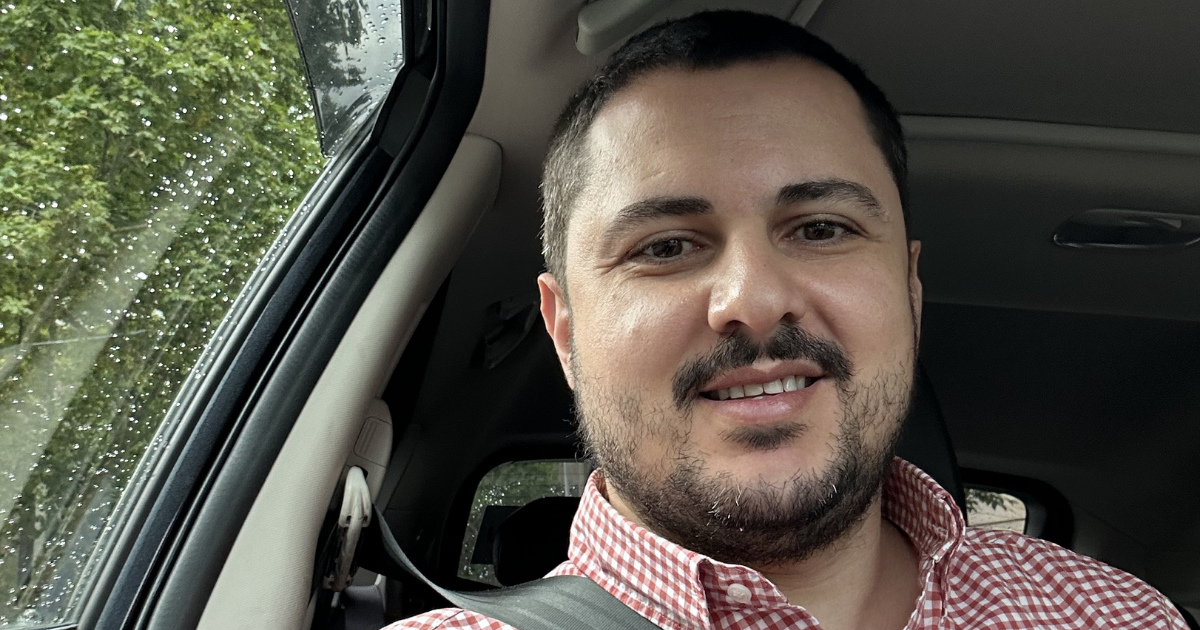
Authored by: Daniel Battaglia
A two-sided marketplace has a problem most businesses never face: you have to earn trust twice, from two groups of strangers, before a single transaction happens. The driver has to believe the parking space is real. The homeowner has to believe the driver is real. And both have to believe you are not quietly taking advantage of the introduction.
I have spent fifteen years building a parking marketplace, and most of what I know about trust I learned by getting it wrong slowly and fixing it in public. Here is what held up.
Publish only what you can defend
Every fact on your platform is a promise. A listing with a wrong price, a stale location or an invented review does not just lose one transaction — it teaches the visitor that nothing else on the page can be believed. We now verify listing data against multiple independent sources before it goes live, and when we cite an external fact, we link to the primary authority: the council’s own parking page, the regulator’s published guidance, the transport department’s rules. Outbound links to authoritative sources feel like giving traffic away. They are actually the cheapest trust signal available, because they tell the reader you expect to be checked. Increasingly it is not only readers checking — AI search engines now evaluate whether your claims trace back to sources, and they are less forgiving than humans.
Praise your alternatives, by name, with their real advantages
The strangest decision we ever made was adding a researched comparison of rival tools to our own product pages — each competitor listed with a real pro, not a strawman. One rival integrates with the phone’s lock screen better than we do. Another publishes accuracy benchmarks we admire. We say so. The effect surprised me: people who read an honest comparison and stay convert at a level no landing page ever achieved, because the comparison did the one thing marketing copy cannot — it proved we would tell them something against our own interest. That is the entire trick, and it is not a trick. Trust is built almost exclusively out of statements that cost you something.
Make your honesty expensive
Three policies did more for us than any campaign. First, our fine-appeal tool tells users when their ticket was fairly issued and is not worth fighting — we lose an interaction and gain a believer. Second, a no-questions-asked money-back guarantee on the paid tier: no forms, no retention script, no “can I ask why”. The refund costs pennies against what the argument would cost. Third, our core tools are free with no signup, because a tool that demands your email before proving its worth is making you pay in trust before it has earned any.
When attacked, answer with facts
In 2012 a mayor publicly declared that our users could not rent out their own driveways, and councils warned of a “black market” in parking spaces. The tempting response was spin. We responded with facts — what the law actually said, what our users were actually doing — and let journalists check everything. The story ran nationally, repeatedly, and the coverage built more credibility than a decade of advertising, precisely because we had nothing to walk back. Media trust and user trust are the same asset: reporters, like customers, remember whether your claims survived scrutiny. The same applies on social platforms, where a marketplace that responds to criticism with documents rather than deflection is rare enough to be remembered.
Three takeaways
If you are building a two-sided marketplace, the compounding moves are these. Verify before you publish, and cite authorities as if you expect to be audited — you will be. Say at least one true thing that favours your competitor, somewhere a buyer can see it. And design one policy that makes dishonesty structurally impossible for you — a guarantee without questions, a tool that advises against itself, a comparison you did not rig. Growth tactics fade. A reputation for being checkable does not.
Authored by:
Daniel Battaglia is the founder and CEO of Parksy (parksy.com), a free, commission-free parking marketplace operating across 57 countries. A former investment banker at Lehman Brothers, RBC Capital Markets and Macquarie Bank, he is the author of “Parking Made Easy — Making Life Easier.”