

The Made-to-Order Advantage: How Indie Art Brands Scale Sustainably
By Jan Michiel Drese
For decades, launching a product brand often required a difficult gamble.
Creators had to invest in inventory before knowing whether customers would actually buy. That meant ordering products in bulk, paying for storage, managing fulfillment, and accepting the risk that unsold inventory could become dead stock.
Today, made-to-order production is changing that equation.
As the founder of Drese Art, an independent art-driven lifestyle brand, I’ve seen how made-to-order manufacturing allows creators to build sustainable businesses without the traditional inventory burden. It also offers environmental benefits by reducing one of retail’s biggest hidden problems: overproduction.
The Traditional Inventory Problem
Many small brands face a common challenge. To achieve lower unit costs, products are often manufactured in large quantities upfront.
The approach works when demand forecasts are accurate.
When they are not, businesses are left with excess inventory that consumes storage space, ties up capital, and often requires discounts or liquidation to clear.
For independent creators, this risk can be especially limiting. Many talented artists never launch product collections because the upfront investment feels too large.
How Made-to-Order Changes the Equation
Made-to-order production reverses the traditional model.
Instead of producing inventory first and hoping it sells later, products are created only after a customer places an order.
This approach offers several advantages:
- Lower financial risk
- No need to maintain large inventories
- Greater flexibility to test new designs
- Reduced waste from unsold products
- Easier global fulfillment through distributed production networks
For creators, it allows experimentation without committing significant capital to inventory.
Sustainability Through Better Alignment
Sustainability discussions often focus on materials, packaging, or transportation.
Those factors matter, but one of the largest sources of waste is frequently overlooked: products that never needed to be made.
By aligning production more closely with actual demand, made-to-order businesses can significantly reduce excess inventory and unnecessary manufacturing.
No production model is perfectly sustainable, but reducing overproduction is one meaningful step toward a more responsible retail system.
A Real-World Example
At Drese Art, original artwork appears across a range of products including tote bags, mugs, laptop sleeves, phone cases, notebooks, and wall art.
Because products are made only after an order is placed, new collections can be introduced without forecasting large inventory commitments. This allows creative experimentation while minimizing the risk of excess stock.
The result is a business model that supports both creativity and operational efficiency.
Why This Matters for Independent Creators
Made-to-order production lowers barriers to entry.
Artists, designers, and niche brands can compete without needing warehouse space or large upfront investments.
That means more creative voices can participate in the market, offering consumers greater diversity and originality.
In many ways, made-to-order production is not only changing how products are manufactured. It is changing who gets the opportunity to build a brand in the first place.
Key Takeaways
- Overproduction remains one of retail’s largest sources of waste.
- Made-to-order production reduces inventory risk and excess stock.
- Independent creators can launch and scale businesses with lower upfront investment.
- Consumers increasingly value intentional purchasing and responsible production.
- Sustainable growth often comes from producing closer to actual demand.
About the Author
Jan Michiel Drese is the founder and creative director of Drese Art, an independent art-driven lifestyle brand focused on original artwork, made-to-order production, and everyday design.
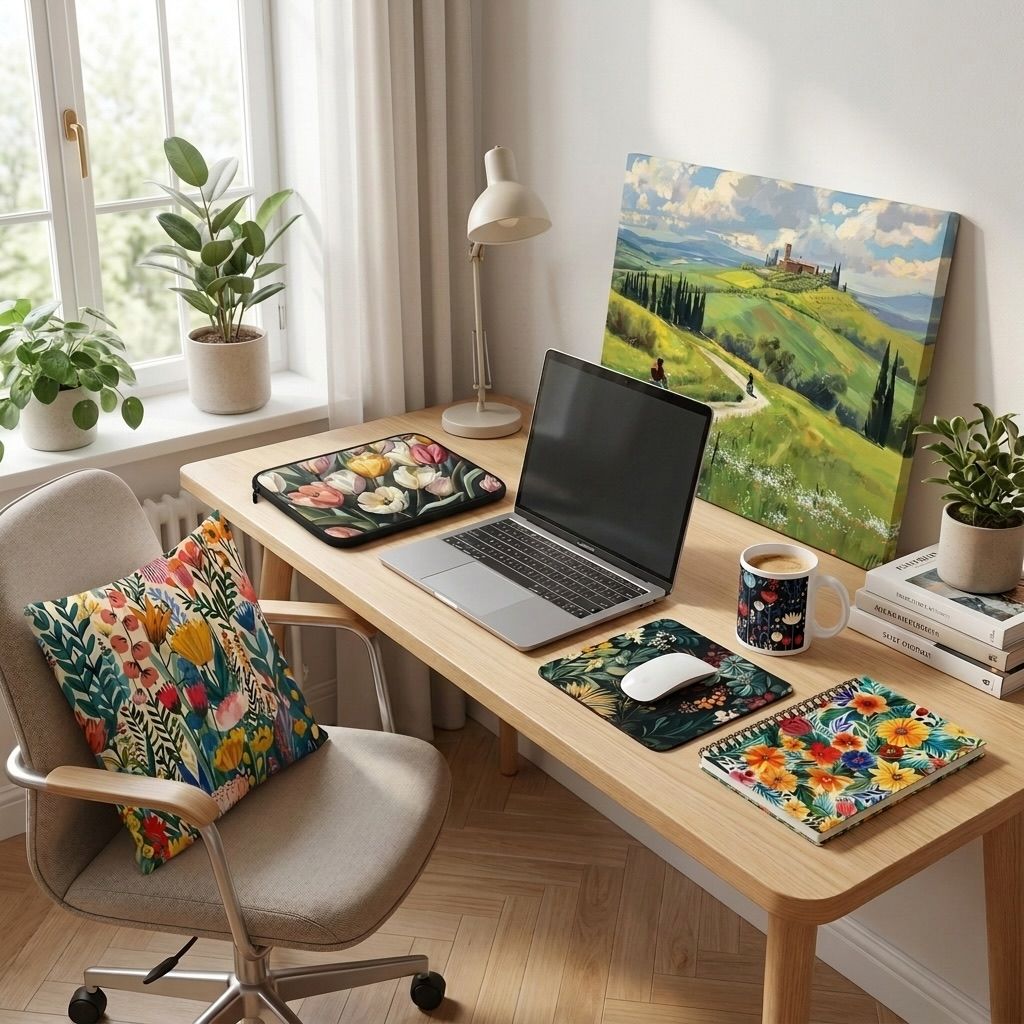
Original artwork applied across multiple made-to-order lifestyle products. Image courtesy of Drese Art.