8 Non-Photography Skills That Proved Essential for Professional Photographers
Professional photography demands more than technical camera skills. Industry experts reveal eight overlooked abilities that separate successful photographers from those who struggle to build sustainable careers. These essential competencies range from cultural awareness and relationship management to business systems and physical endurance.
- Forge Trust Through Precise Language
- Build Systems That Power Professional Reliability
- Defuse Tension And Honor Relationships
- Outlast Lulls And Stay Fully Alert
- Study Cultures And Anticipate Traditions
- Use Polyglot Skills To Broaden Bookings
- Market Relentlessly So Prints Actually Sell
- Style Sense Elevates Interior Work
Forge Trust Through Precise Language
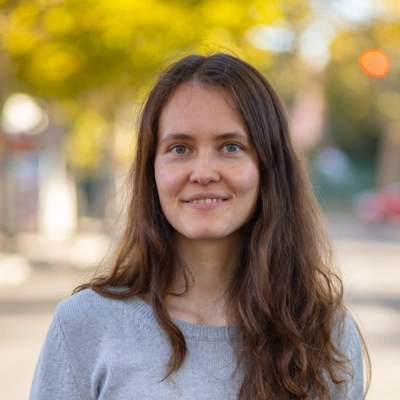
Communication – a skill heavily overlooked but how I communicated transformed my business. I picked up communication as a skill, the same way I’d picked up photography. I read everything I could on psychology, body language, and the specific power of language under pressure. I started paying close attention to which phrases made clients relax and which ones made them tense up. I stopped saying things like “just relax” (which, as any photographer knows, never works) and replaced it with precise, confidence-building direction that actually showed up in the frame.
What I discovered was this: a single well-chosen phrase, delivered at the right moment, can transform a stiff, camera-shy professional into someone who looks like they own the room.
That shift changed everything.
Clients started walking out of sessions saying things like “I actually enjoyed that” and “I can’t believe how good these came out.” Those reactions became referrals. Referrals became corporate contracts. Google, Forbes, Peloton, and WeWork started calling, not just because of the portfolio, but because of what people said about the experience.
After 15+ years and more than 7,000 sessions across three continents, I’ve learned that the best headshot sessions are built on trust, and trust is built through communication. Technical mastery gets you in the room. The words you use determine whether clients walk out looking like the best version of themselves, and whether they send everyone they know back to you.
That’s what I do. Every session. Every time.
Build Systems That Power Professional Reliability
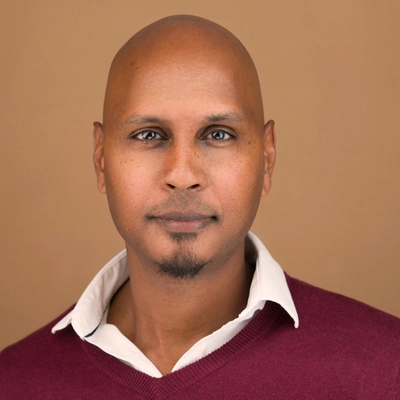
One skill outside of photography that proved essential to my success was business systems thinking.
That probably sounds less exciting than lighting or posing, but it has been huge for me. Long before I was running a photography business full time, I had a tech background and corporate experience, and both ended up helping me far more than I expected. Photography is creative on the surface, but once you do it professionally, a big part of the job is really operations: inquiries, follow-up, lead tracking, scheduling, contracts, reminders, delivery, reviews, repeat business. If those parts are messy, the talent behind the camera only takes you only so far.
What made systems thinking so valuable is that it helped me stop treating every client interaction like a one-off event. I started building clearer workflows, using CRM structure, conditional rules, templates, automations, and simple business logic so things would not depend on memory or mood. My tech side definitely gave me an edge with scripts, custom functions, SaaS tools, and integrations, but honestly, many of the biggest improvements came from basic workflow rules inside a CRM ecosystem like Zoho One: if this happens, do that next. Send this follow-up. Create this task. Move this deal. Log this note, and so on.
There are photography-specific platforms like ShootQ, HoneyBook, and Studio Ninja, and I get why people use them. They can be very helpful, but going with a more flexible, non-niche platform gave me something I value more: freedom to build my own system instead of adapting myself to somebody else’s idea of how a studio should run. That was unexpectedly valuable because no 2 photography businesses operate exactly the same, especially once you have different shoot types, workflows, follow-up styles and side projects.
The corporate side mattered too. Things like SOPs, accountability, clarity, and consistency are not glamorous, but they are what keep a business from turning into chaos. Clients come for the images, but they also remember whether you were organized, responsive, and reliable. That side of professionalism became one of my competitive advantages!
Photography is often marketed as pure artistry, but running a successful studio takes a lot more than artistic instinct. In my case, being able to build order behind the scenes made the creative side stronger too, because I spent less time dropping balls and more time actually focusing on the work.
Defuse Tension And Honor Relationships
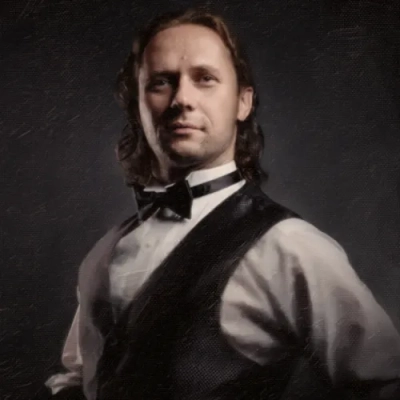
Emotional intelligence is a huge factor in my success as a professional photographer. My main focus is weddings, which requires me to be involved in a lot of family and friendship interactions. No matter the situation, my clients need me to be able to remain calm and treat the VIPs in their lives with gentleness and respect.
This looks a little different depending on the situation. For example, on one wedding day it could be quickly making a change to when and where family photos are happening to accommodate an elderly family member while still capturing amazing photos. On another day, it can be diffusing a tense interaction between the couple and a parent so that everyone can still have a positive experience and spend the rest of the day celebrating.
Being able to rapidly understand these moments and create a plan while ensuring that everyone feels heard and respected is a huge part of why my clients hire me and refer me to their family and friends. All of us have human moments, and having someone that can listen to what’s going on and help is just as important as beautiful photos.

Outlast Lulls And Stay Fully Alert
One skill outside photography that has proved essential is endurance. Not in a dramatic way. More the ability to keep going when nothing much is happening, when a job falls through, when the weather is wrong, when the brief changes, or when the best picture simply has not appeared yet.
I did not expect that to matter as much as it has. When you start out, you think photography is mainly about having an eye, good timing, access, and a bit of nerve. Those things matter. But a long career depends just as much on staying alert through the dull patches and not becoming cynical when things do not quite go your way.
In reportage, that might mean waiting for days until something real happens. In commercial work, it means keeping a crew steady and still caring about the frame at the end of a long day.
Photography often rewards the person who is still paying attention when everyone else has mentally packed up.
Study Cultures And Anticipate Traditions
Understanding each particular culture made such a difference to my wedding photography. Once I had read up on Chinese tea ceremonies and South Asian baraats I was able to anticipate rather than be caught unawares. People recognized we were invested enough to do our homework and that was how we were able to earn our reputation… They knew we understood.
Use Polyglot Skills To Broaden Bookings
One skill outside of photography that became unexpectedly essential to my success was speaking three languages. While working as a photographer in a popular travel destination in Mexico, being able to communicate with clients in multiple languages helped me connect with far more people than I ever expected. At first, I saw languages just as a personal advantage while traveling but it quickly became one of the biggest reasons clients felt comfortable booking with me. Speaking multiple languages helped build trust faster and led to more word-of-mouth referrals from international travelers.

Market Relentlessly So Prints Actually Sell
Digital marketing has become a big part of being a photographer. Getting out and shooting is the initial step. The challenging task is showing your art to potential buyers who may want it on their walls.
There are more ways than ever to sell prints online. You can use your website, Etsy, eBay, Amazon, and print platforms like Pictorem. Each one gives photographers another way to reach buyers, but none of them work well if people never see the work.
That’s why most of my downtime is dedicated to marketing and social media. When I am not shooting or editing, I am working on sharing my work through posts, listings, and social media. Anywhere I can get the word out.
Social media is a big part of that. It helps tell the story behind the photo and shows people how a print could feel in their home. However, they need to know that the photo is for sale and where they can purchase the item online.
For photographers today, marketing is not extra. It is part of selling the work. A print still needs to be seen before it can be sold.
Style Sense Elevates Interior Work
The smallest detail can change a photograph. Developing an eye for styling and editorial trends became unexpectedly valuable in my work. As an architectural and interior design photographer, I document space in all its forms, from residential projects to retail design. The ideal shot can take hours to happen, and especially in interior photography, composition and technique must be complemented by styling.